
Introduction
- Speakers
- Subwoofer
- AV receiver
- Soundbar (in some setups)
- Television or projector
- Streaming devices
Better Sound Quality
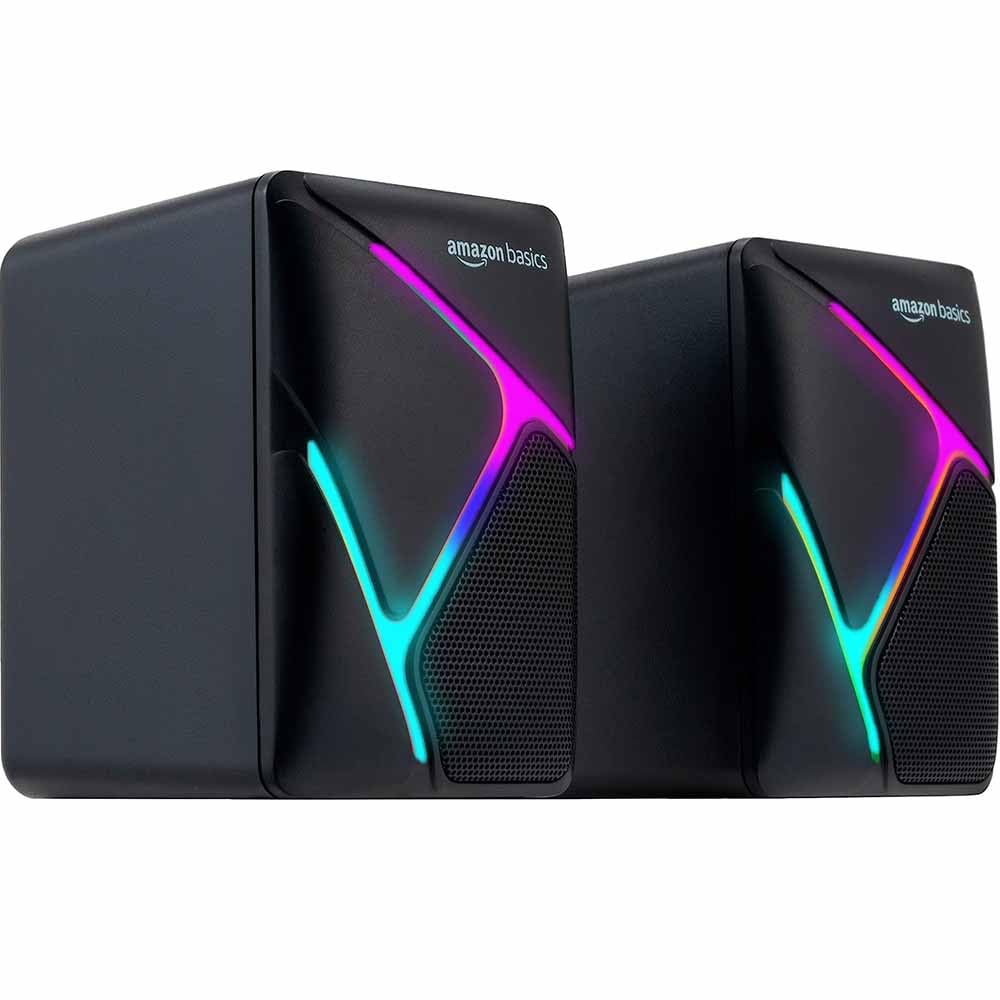
Most TV speakers are limited in performance.
A dedicated home theater system provides:
- Clear dialogue
- Rich bass
- Surround sound effects
- Balanced audio
Enhanced Gaming
Gamers benefit from:
- Precise directional audio
- Better immersion
- Improved competitive awareness
Improved Music Listening
A quality system can also serve as an excellent music setup.
Types of Home Theater Systems
Soundbar Systems
Perfect for:
- Small rooms
- Apartments
- Budget-conscious buyers
Advantages:
- Easy setup
- Compact design
- Affordable pricing
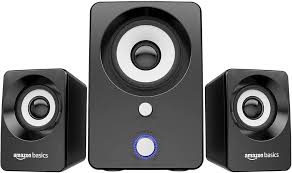
2.1 Channel Systems
Includes:
- Two speakers
- One subwoofer
Ideal for:
- Music lovers
- Small entertainment rooms
5.1 Channel Systems
Includes:
- Front speakers
- Center speaker
- Rear speakers
- Subwoofer
This is one of the most popular home theater configurations.
7.1 Channel Systems
Provides additional surround speakers for a more immersive experience.
Suitable for:
Dedicated theater spaces
Larger rooms
Best Home Theater System for Home Use: Features to Consider
Sound Quality
Look for:
- Clear vocals
- Deep bass
- Balanced frequencies
Connectivity Options
Modern systems should support:
- HDMI
- Bluetooth
- Wi-Fi
- USB
- Optical audio
Smart Features
Many systems now support:
- Voice assistants
- Streaming apps
- Smartphone control
Choosing the Right System for Your Room Size
Small Rooms
Best options:
- Soundbars
- Compact 2.1 systems
Medium Rooms
Recommended:
- 5.1 channel systems
Large Rooms
Consider:
- 7.1 systems
- Premium surround sound setups
- Dialogue comes from the front.
- Background effects come from the sides.
- Action scenes surround the listener.
Wired Systems
Advantages:
- Stable connection
- Consistent audio quality
Disadvantages:
- More cables
Wireless Systems
Advantages:
- Cleaner appearance
- Easier installation
Disadvantages:
- Potential signal interference
Home Theater Setup Tips
Speaker Placement
Proper placement significantly affects performance.
Guidelines:
- Position front speakers near the TV.
- Place the center speaker directly below or above the screen.
- Position rear speakers behind seating.
- Place the subwoofer where bass sounds balanced.
Seating Position
Try to sit near the center of the audio field.
Examples:
- Curtains
- Carpets
- Cushions
Buying Based Only on Price
The cheapest system may not deliver satisfying performance.
Ignoring Room Size
Large systems can overwhelm small rooms.
Poor Speaker Placement
Incorrect placement reduces surround sound effectiveness.
Forgetting Future Expansion
- Better acoustics
- Reduced distractions
- Enhanced viewing comfort
Dust can affect performance.
Manage Cables
Proper cable management improves safety and appearance.
Update Firmware
Best Home Theater System for Home Use on Different Budgets
- Entry-level soundbars
- Compact speaker systems
Mid-Range Buyers
Consider:
- 5.1 surround systems
- Wireless subwoofers
Premium Buyers
Explore:
Advanced AV receivers
7.1 systems
Dolby Atmos setups
What is the best home theater system for a small room?
A soundbar or compact 2.1 channel system is often ideal for small rooms because it provides excellent audio without taking up much space.
Is a 5.1 home theater system enough for home use?
Yes. A 5.1 system offers immersive surround sound and is suitable for most homes.
Do I need a separate subwoofer?
A subwoofer enhances bass performance and significantly improves movie and music experiences.
What is better: a soundbar or a home theater system?
A soundbar is easier to install, while a full home theater system generally provides superior surround sound and immersion.