
Introduction
H2: Why a Good Iron Box Matters
- Professional-looking clothes
- Faster ironing sessions
- Better fabric care
- Reduced effort
- Improved appearance
Safety mechanisms
Heating element
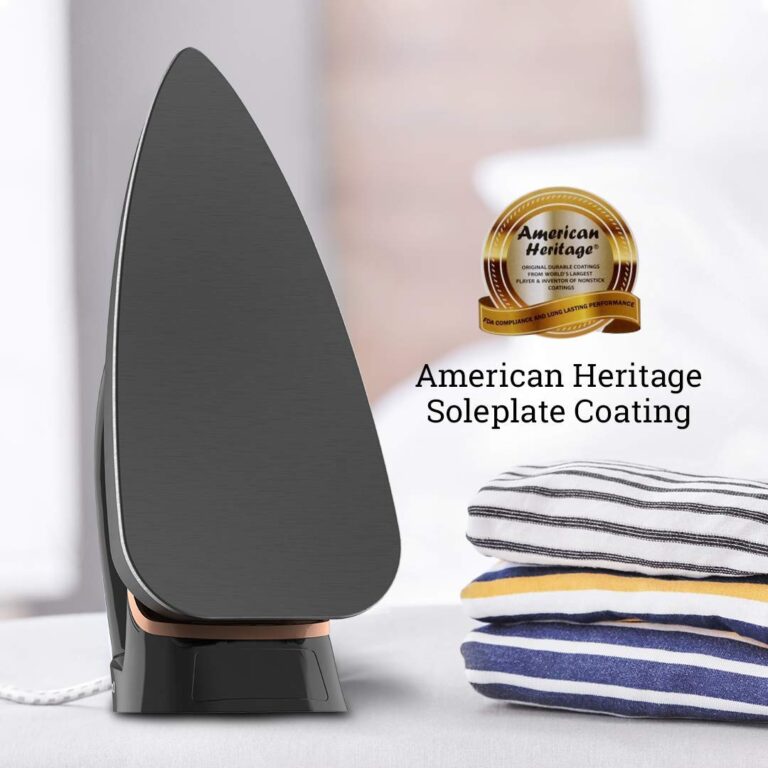
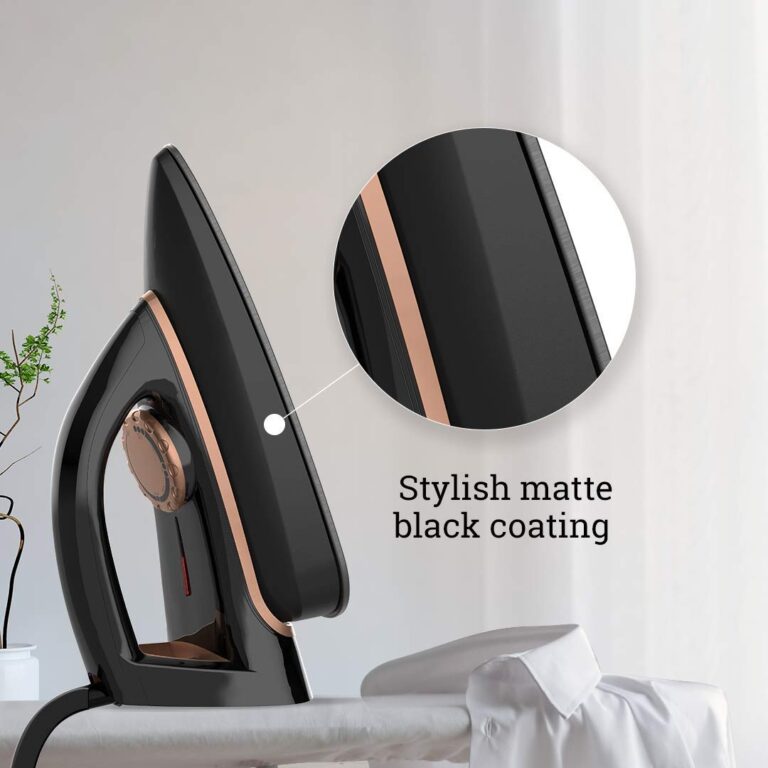
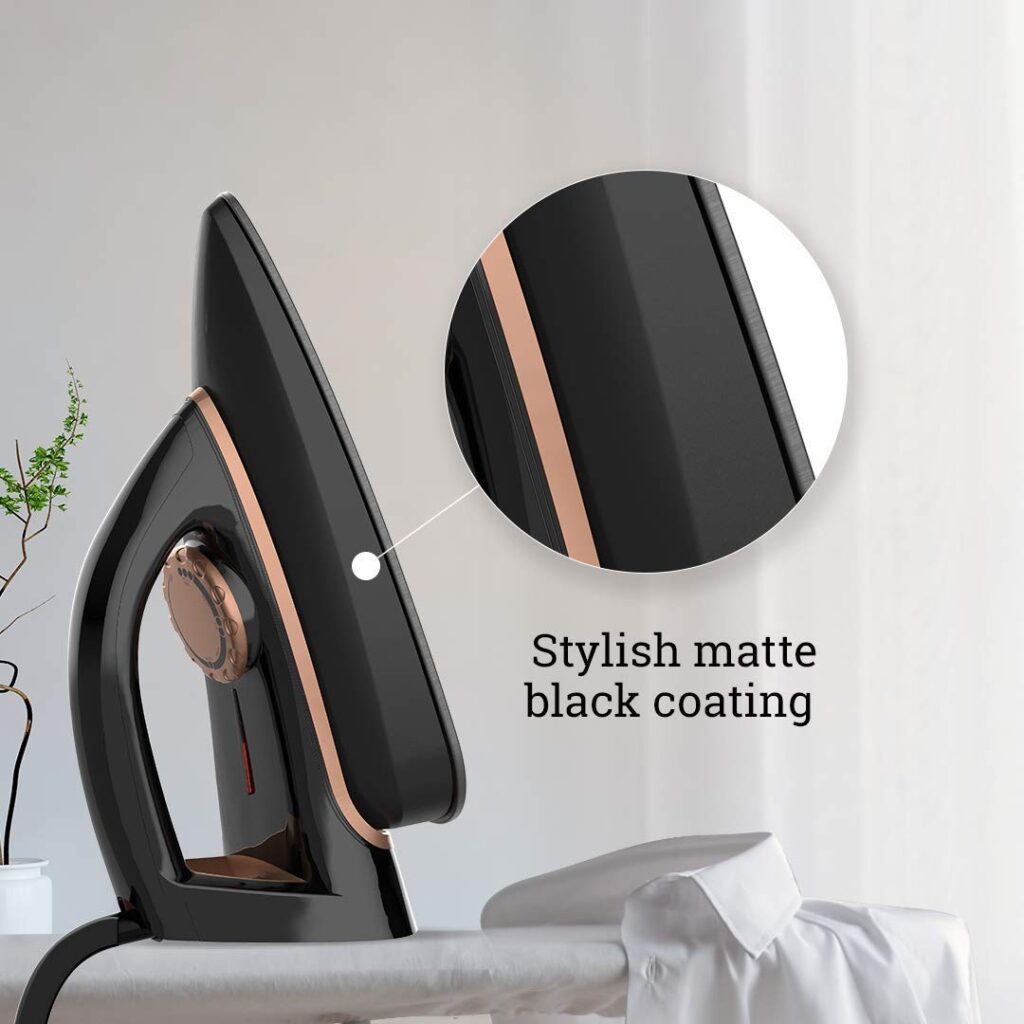
Soleplate
Temperature controls
Water reservoir (steam models)
H2: Best Iron Box for Home Clothes Ironing: Understanding Your Options
H3: Dry Iron
Advantages:
- Lightweight
- Easy maintenance
- Durable design
Best for:
- Basic ironing needs
- Daily household use
Benefits:
- Faster ironing
- Better wrinkle removal
- Cotton shirts
- Linen garments
- Formal clothing
H3: Garment Steamer
Advantages:
- Gentle on fabrics
- Suitable for delicate garments
- Convenient vertical steaming
Best for:
- Curtains
- Suits
- Dresses
H3: Steam Generator Iron
These models feature separate water tanks.
Benefits:
- Powerful steam output
- Continuous operation
- Professional-level performance
Best for:
- Large families
- Frequent ironing
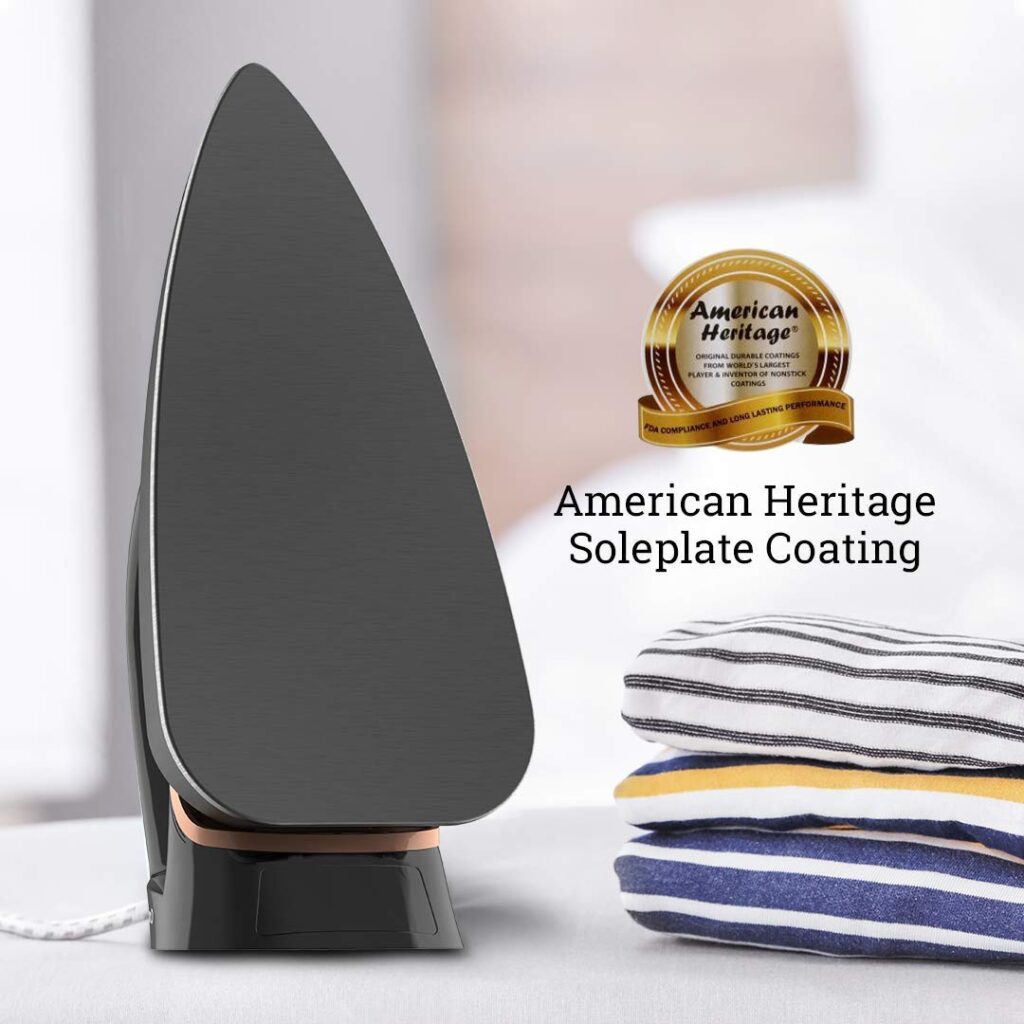
H3: Soleplate Material
The soleplate affects performance.
Common materials include:
Advantages:
- Durable
- Smooth gliding
- Easy cleaning
Ceramic
Advantages:
- Even heat distribution
Non-Stick Coating
Advantages:
- Reduced fabric sticking
Examples:
- Silk: Low heat
- Wool: Medium heat
- Cotton: High heat
Temperature control helps prevent fabric damage.
H3: Steam Output
Higher steam output improves wrinkle removal.
Look for:
- Continuous steam
- Steam burst function
- Vertical steaming capability
H3: Water Tank Capacity
Larger tanks provide:
- Longer ironing sessions
- Fewer refills
H3: Auto Shut-Off
Important safety feature.
Peace of mind
Fire prevention
Energy savings
H2: Best Iron Box for Home Clothes Ironing for Different Users
Students
Recommended features:
- Lightweight design
- Affordable pricing
- Simple controls
Working Professionals
Recommended features:
- Steam functionality
- Fast heating
- Durable soleplate
Families
Recommended features:
- Large water tank
- Powerful steam output
- Ergonomic design
Cotton
Use:
- High heat
- Steam function
Linen
Use:
- High temperature
- Extra steam
Silk
Use:
- Low temperature
- Gentle handling
Synthetic Fabrics
Use:
- Low to medium heat
Using Excessive Heat
Can damage fabrics.
Ignoring Care Labels
Different materials have specific requirements.
Not Cleaning the Soleplate
Can reduce performance.
H2: Iron Box Maintenance Tips
Proper maintenance extends appliance life.
After Each Use
- Empty water tank
- Allow cooling
- Wipe soleplate
- Remove mineral deposits
- Inspect power cord
- Clean steam vents
Inspect safety features
Check for wear
Test controls
H2: Energy Efficiency Considerations
Modern irons often include:
- Auto shut-off
- Fast heating technology
- Energy-saving modes
These features help reduce electricity consumption.
H2: Safety Tips for Ironing
Always follow basic safety practices.
Important guidelines:
Store safely
Keep away from children
Use stable ironing boards
Unplug after use
Avoid damaged cords
Which type of iron box is best for home use?
Steam irons are often considered the best option because they remove wrinkles quickly and work well on most fabrics.
How many watts should a good iron box have?
Most home irons range from 1000 to 2400 watts. Higher wattage usually means faster heating.
Can I use tap water in a steam iron?
Many steam irons allow tap water, but distilled water may help reduce mineral buildup.
How often should I clean my iron box?
Basic cleaning should be done monthly, while deeper maintenance depends on usage frequency.