
We will learn:
- What makes a rice cooker ideal for small families
- Which sizes work best
- Important features to look for
- Different types of rice cookers
- Common mistakes buyers make
- Better rice texture
- Faster cooking
- Lower electricity usage
- Less food waste
- Better kitchen organization
| Family Size | Ideal Capacity |
| 1–2 people | 1 to 1.8 liters |
| 2–4 people | 2 to 3 liters |
| 4–5 people | 3 to 4 liters |
Why Capacity Matters
If the cooker is too small:
- Rice may overflow
- Cooking becomes inconvenient
- Multiple batches may be needed
If the cooker is too large:
- Rice may cook unevenly
- More electricity may be wasted
- Cleaning takes longer
Features
- One-touch operation
- Automatic keep-warm mode
- Lightweight design
- Budget-friendly
Best For
- Beginners
- Students
- Small kitchens
- Families with simple cooking needs
These models include digital settings and advanced functions.
Features
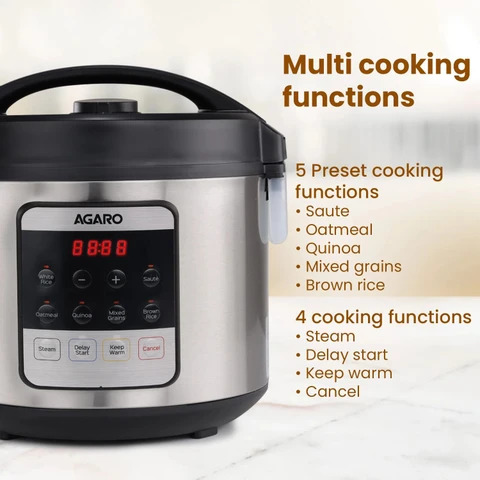
- Timer controls
- Multiple cooking modes
- Brown rice settings
- Steam cooking
- Delayed cooking
Best For
- Busy families
- Working professionals
These are premium models with advanced heating technology.
Benefits
- Even cooking
- Better rice texture
- Improved temperature control
Downsides
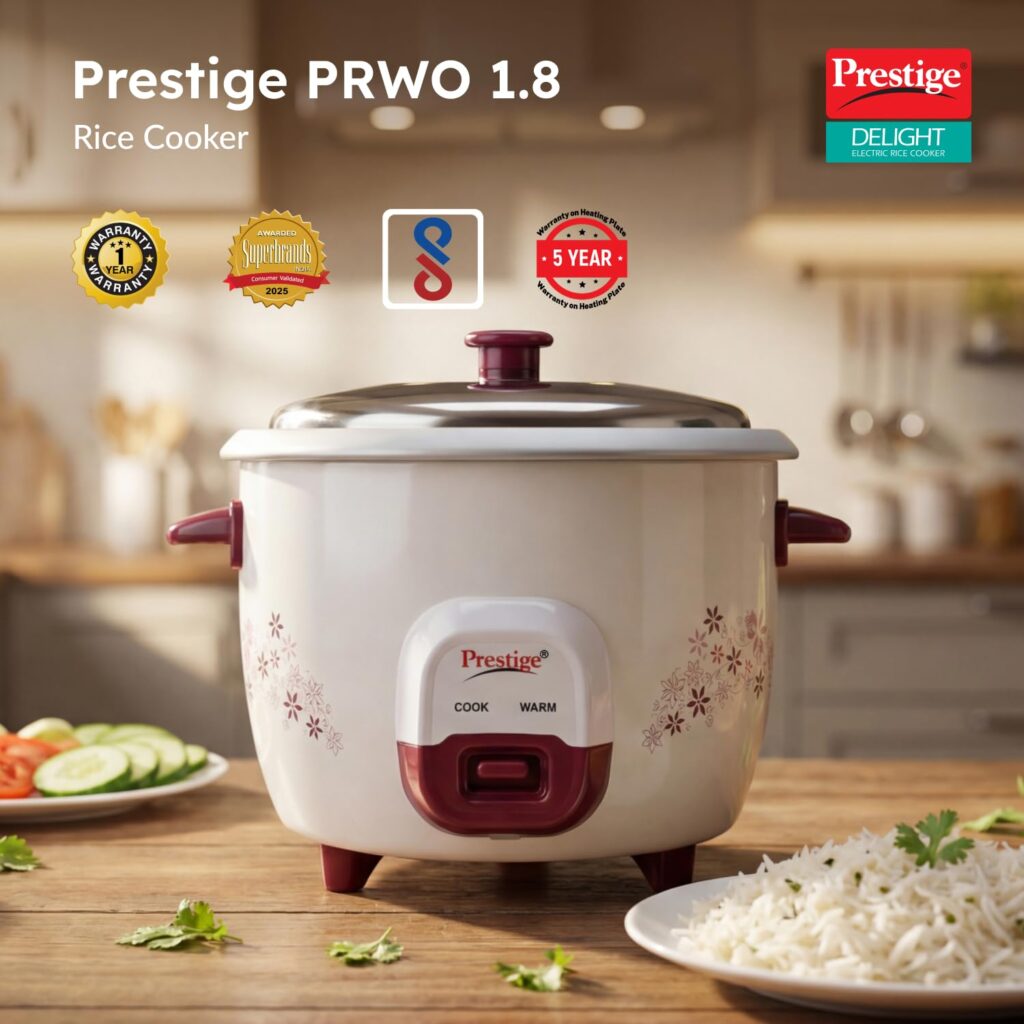
- Expensive
- Higher maintenance cost
For most small families, this option may not always be necessary unless we cook rice very frequently.
Important Features to Look for in the
Not every feature is necessary. Some features are useful while others may only increase the price.
Benefits
- Better rice texture
- Less oil needed
Keep Warm Function
This feature automatically keeps rice warm after cooking.
Why It Helps
- Perfect for busy schedules
- Keeps rice fresh for hours
- Reduces reheating effort
Multi-Cooking Functions
Some rice cookers can also cook:
- Oats
- Porridge
- Soup
- Idli
- Steamed vegetables
- Brown rice
This adds extra value to the appliance.
Timer and Delay Start
- We can set the cooker before work
- Rice becomes ready automatically by dinner time
This is very convenient for working families.
Choose a cooker with:
- Removable lid
- Washable steam vent
- Non-stick bowl
- Detachable accessories
Easy cleaning saves time every day.
- Auto shut-off
- Energy-efficient ratings
- Smart temperature control
Aluminum Inner Pot
Advantages
- Lightweight
- Affordable
- Quick heating
Disadvantages
- Less durable
- Can scratch easily
Stainless Steel Pot
Advantages
- Durable
- Safe material
- Long-lasting
Disadvantages
- Rice may stick slightly
Ceramic Coating
Advantages
- Health-conscious option
- Smooth cooking surface
Disadvantages
- Requires careful handling
Simple Cooking Process
- Water and rice are added
- Heating plate boils water
- Cooker automatically shifts to warm mode
White Rice
The most common type:
- Fast cooking
- Soft texture
- Suitable for daily meals
Brown Rice
Brown rice needs:
- Longer cooking
- More water
- Better temperature control
Advanced cookers handle brown rice better.
Basmati Rice
Popular in Indian cooking.
Good rice cookers help maintain:
- Long grain texture
- Fluffy consistency
- Aroma retention
Requires precise water control for soft texture.
A rice cooker helps by:
- Automating cooking
- Preventing monitoring
- Reducing gas stove usage
- Lowering cooking mistakes
This is especially useful for:
- Office workers
- Students
- Parents with children
Buying Oversized Cookers
Many buyers choose large models unnecessarily.
Problems
- Wasted electricity
- Poor rice texture
- Larger storage space needed
For small families, medium capacity is usually ideal.
Ignoring Inner Pot Quality
Cheap coatings wear out quickly.
Always check:
- Pot thickness
- Coating durability
- Material safety
Choosing Price Over Quality
- Lasts longer
- Cooks better
- Saves money over time
Ignoring Warranty Support
Always check:
- Brand reputation
- Warranty period
- Service center availability
Using the cooker correctly improves rice quality.
Different rice types need different water quantities.
General Water Ratios
| Rice Type | Water Ratio |
| White rice | 1:1.5 |
| Brown rice | 1:2 |
| Basmati | 1:1.75 |
- Wash inner pot
- Clean lid
- Remove moisture
- Wipe heating plate
- Steel wool
- Sharp spoons
- Abrasive cleaners
These damage non-stick coatings.
Store Properly
Keep the cooker:
- Dry
- Dust-free
- Away from moisture
This prevents electrical issues.
Unplug after use
Keep away from water spills
Use proper voltage
Avoid overfilling
Never immerse electric base in water
Features That Are Worth Paying Extra For
Some premium features genuinely improve cooking.
Fuzzy Logic Technology
This adjusts cooking automatically based on:
- Water level
- Rice quantity
- Cooking temperature
Result:
- Better consistency
- Reduced cooking errors
Steam Tray
Useful for:
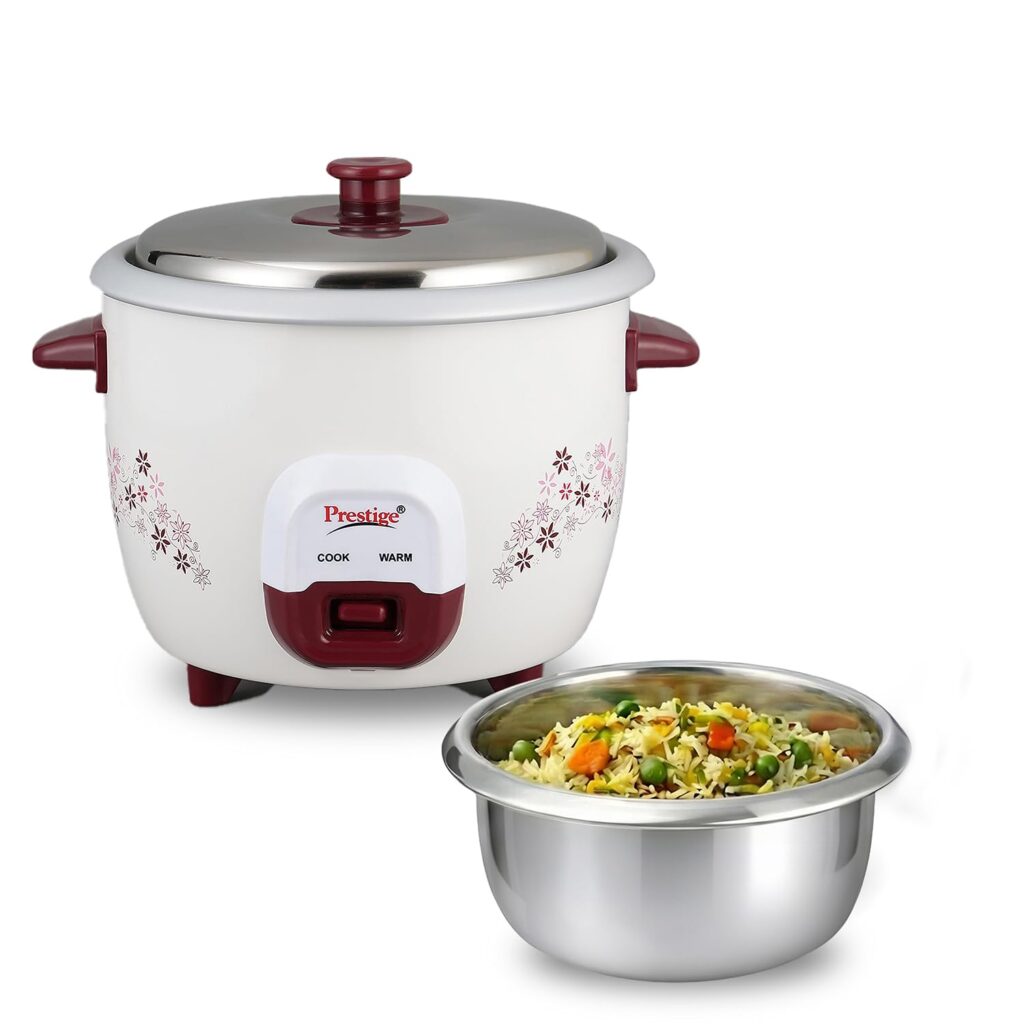
- Vegetables
- Momos
- Fish
- Dumplings
This adds healthy cooking options.
Digital Display
Makes operation easier with:
- Timers
- Presets
- Cooking modes
A quality rice cooker usually lasts:
- 5–10 years with proper care
Factors affecting lifespan:
- Usage frequency
- Cleaning habits
- Build quality
- Brand reliability
Replacing damaged inner pots on time also helps.
Advantages Over Stove Cooking
| Rice Cooker | Stove Cooking |
| Automatic | Requires monitoring |
| Consistent texture | Higher risk of burning |
| Keep warm feature | No automatic warming |
| Safer operation | Possible overflow |
Small rice cookers work especially well in:
- Apartments
- Hostel rooms
- Compact kitchens
- Small homes
- Office pantry setups
Their compact size saves counter space.
Smart Buying Tips Before Purchasing
Before buying the, always compare:
Checklist
- Capacity
- Warranty
- Inner pot quality
- Power consumption
- User reviews
- Brand support
- Cooking modes
Price varies depending on features.
General Budget Ranges
| Type | Price Range |
| Basic cooker | Budget-friendly |
| Smart cooker | Mid-range |
| Induction cooker | Premium |
Examples include:
- Panasonic
- Philips
- Prestige
- Zojirushi
- Toshiba
Each brand offers different features depending on budget and cooking preferences.
You can also explore official websites:
Common voice searches include:
- “What is the “Which rice cooker is good for 3 people?”
- “How do I choose a small rice cooker?”
- “What size rice cooker do I need?”
That is why understanding simple buying factors helps users find the right answers faster.
Tips for Better Rice
- Wash rice properly
- Use fresh rice
- Measure water carefully
- Let rice rest after cooking
- Use quality grains
- Khichdi
- Soup
- Steamed vegetables
- Pasta
- Oatmeal
- Porridge
- Quinoa
Health depends more on:
- Rice type
- Portion control
Ease of cleaning
Your family size
Daily cooking habits
Useful features
What is the best rice cooker size for a small family?
For 2–4 people, a 2 to 3-liter rice cooker usually works best. It provides enough capacity without wasting energy or space.
Can I cook brown rice in a small rice cooker?
Yes. Most modern rice cookers can cook brown rice. Models with dedicated brown rice settings provide better results.
How long does a rice cooker take to cook rice?
Most rice cookers take around 20–40 minutes depending on the rice type and quantity.
Is a non-stick rice cooker safe?
Yes, good-quality non-stick rice cookers are generally safe when used properly. Avoid scratching the inner pot and follow cleaning instructions carefully.