

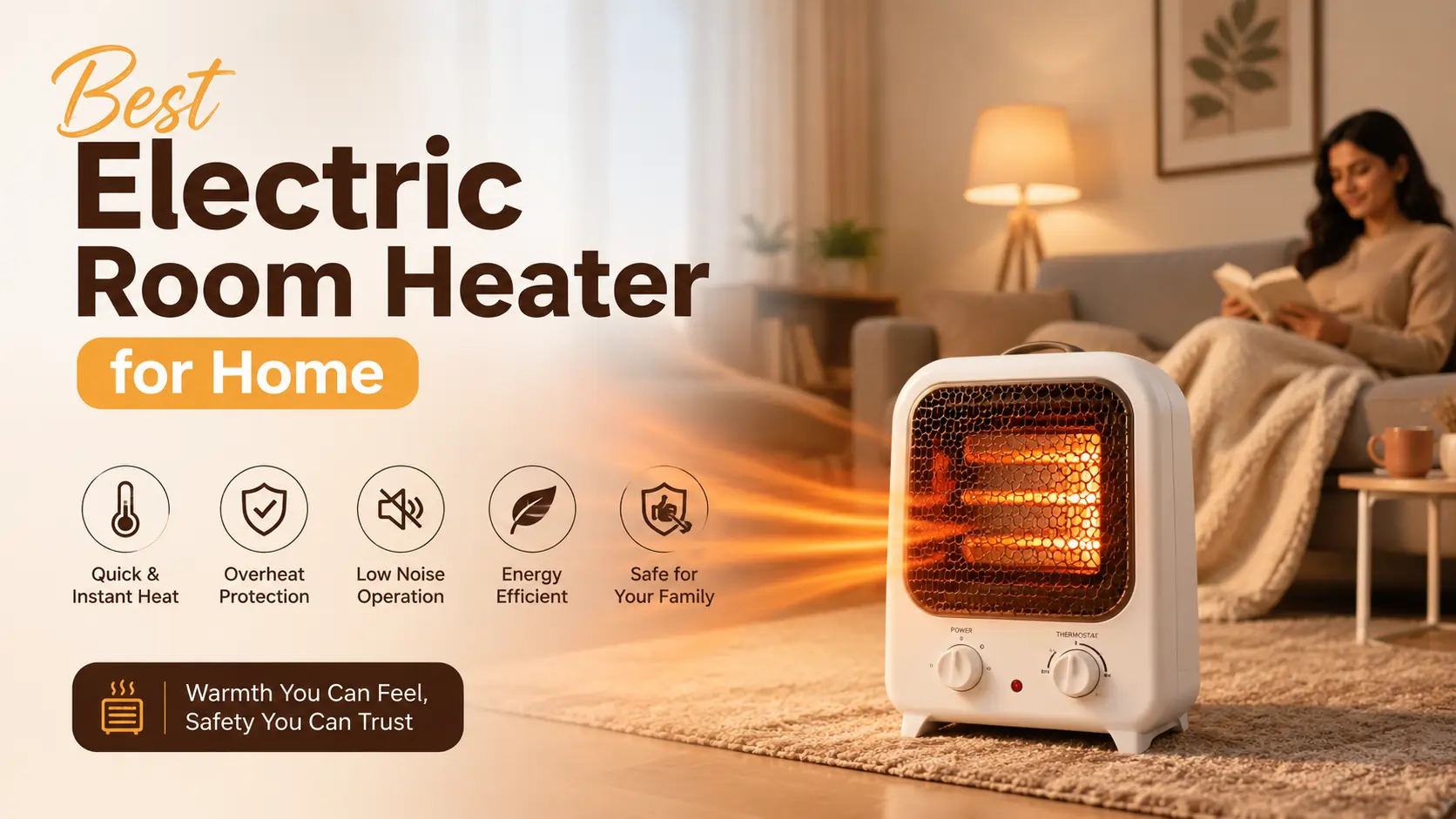
Cold mornings make your house feel miserable. A reliable heater fixes that fast.
But picking the best room heater for winter season takes some real research. Different models use different tech. They burn through varying amounts of electricity. A tiny fan won’t heat a large living room.
We need to cover a few things to find the best room heater for winter season:
- How room heaters work
- The different types available
- Which heater suits your needs
- Safety precautions
- Energy-saving tips
- Common buying mistakes
- Frequently asked questions
You’ll have the facts you need to stay warm and learn how to reduce electricity bills.
Why buy a room heater during winter?
A room heater warms the exact spot you’re sitting in. You save money by leaving your main heating system off.
Benefits include:
- A comfortable indoor temperature
- Better sleep during cold nights
- Good conditions for remote work
- Less exposure to cold drafts
- Easy portability between rooms
- Lower power bills
Most modern electric room heaters include smart safety controls. Read our winter home safety checklist to see how they fit into a secure home. They’re completely safe for everyday use.
Quick answer: What is the best room heater for winter season?
Featured snippet answer Match your heater to your room size and budget. Oil-filled radiators hold heat for hours. Ceramic heaters warm up fast. Infrared heaters shoot warmth directly at you. And simple fan heaters work great for small spaces.
Types of room heaters explained
You’ve got to know how these machines actually work.
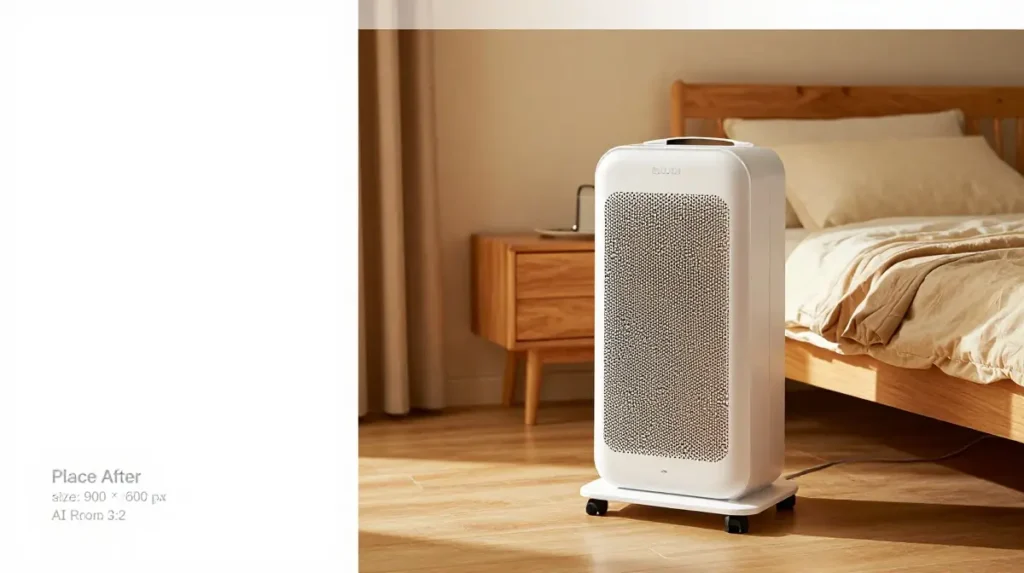
| Heater type | Best for | Heating speed | Energy efficiency | Noise level |
| Fan heater | Small rooms | Very fast | Moderate | Moderate |
| Ceramic heater | Bedrooms and offices | Fast | High | Low |
| Oil filled radiator | Large rooms | Slow | Excellent | Silent |
| Infrared heater | Spot heating | Instant | Very high | Silent |
| Convection heater | Medium rooms | Moderate | Good | Silent |
Fan heaters
Fan heaters combine a glowing metal coil with a basic fan to push warm air across the floor.
Advantages:
- Cheap
- Compact
- Lightweight
- Fast heating
- Easy to carry
Drawbacks:
- Loud motors
- They go totally cold the second you turn them off
- Useless in large rooms
Best suited for:
- Home offices
- Small bedrooms
- Study rooms
Ceramic room heaters
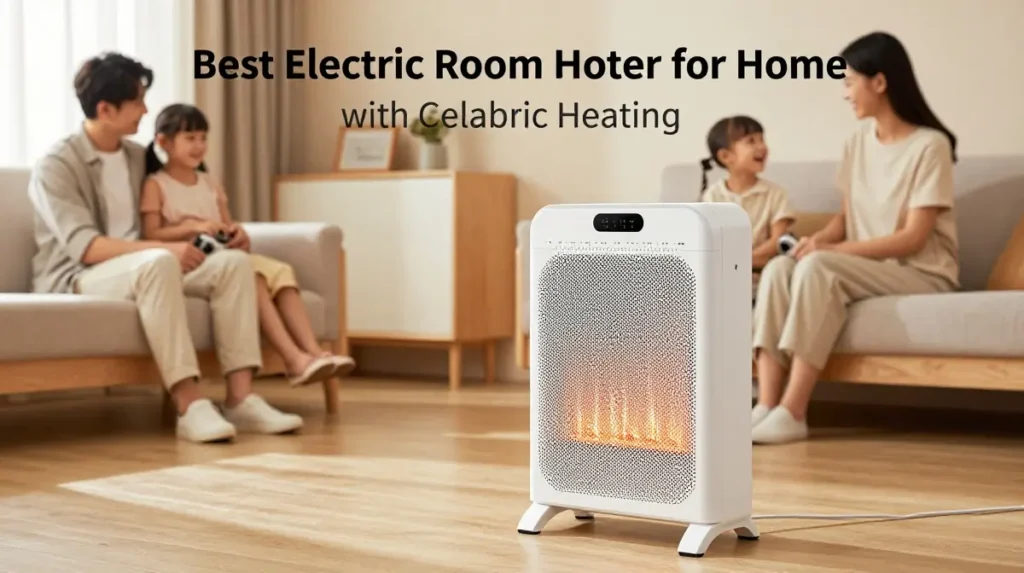
People often call ceramic models the best room heater for winter season for small bedrooms. They balance speed and safety perfectly.
Why choose ceramic heaters?
- Fast warm-up times
- Good energy efficiency
- Steady airflow
- Cool exterior surfaces
- Long lifespans
These ceramic plates hold a stable temperature longer than standard wire coils.
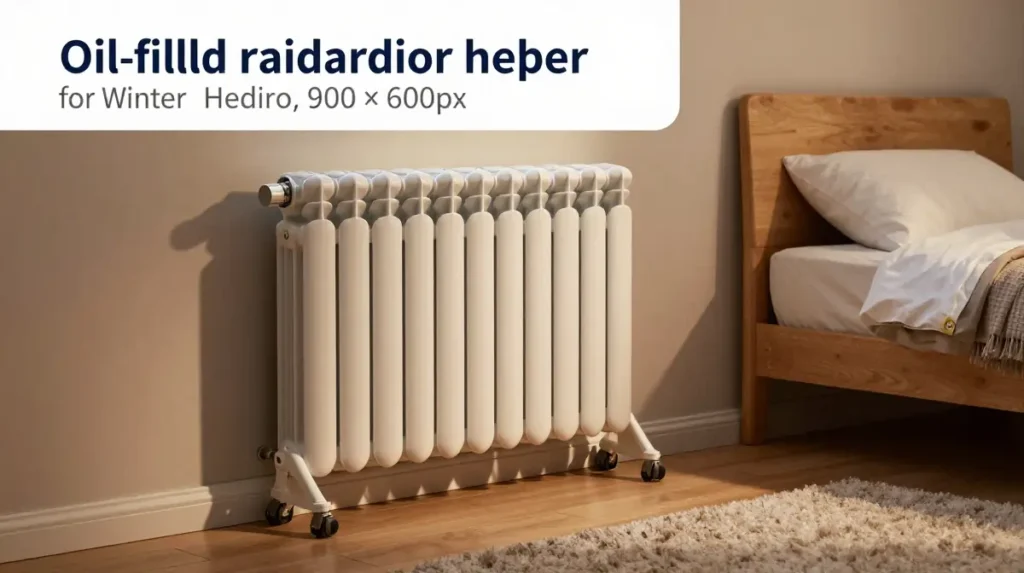
Oil-filled radiators
These units use metal fins filled with sealed diathermic oil. The oil never actually burns. You won’t ever have to replace it.
Advantages:
- Silent operation
- Amazing heat retention
- Zero maintenance
- Safe for overnight use
- Soft radiant warmth
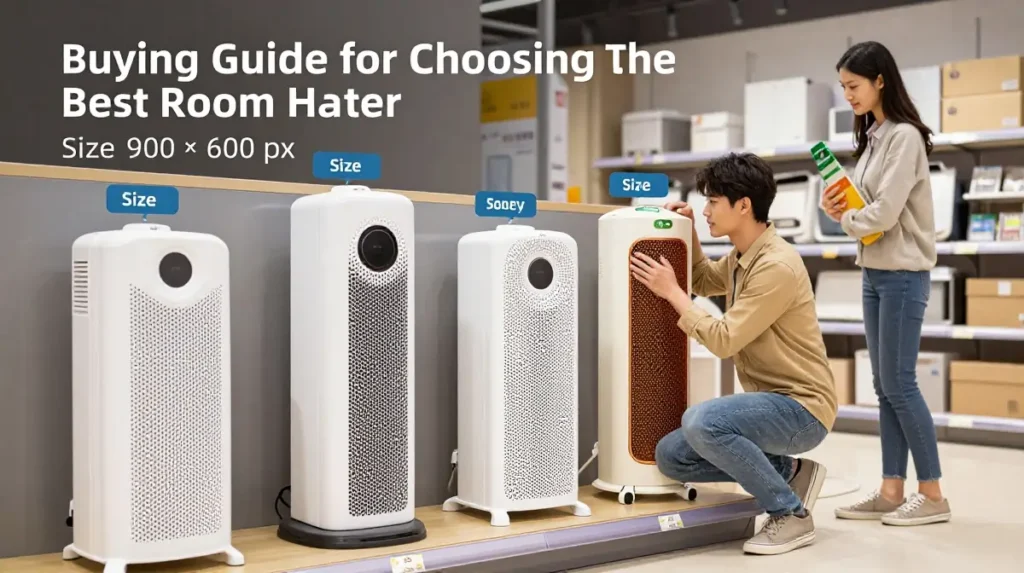
They take 20 minutes to heat up. But they stay warm for hours after you pull the plug.
They work great for:
- Bedrooms
- Living rooms
- Family spaces
Infrared heaters
Infrared units beam heat straight into your body and furniture. They work like sunlight.
Benefits:
- Instant warmth
- High efficiency
- Silent operation
- Zero wasted energy
- Perfect for personal heating
You’ll want one of these for:
- Balconies
- Garages
- Workshops
- Cold home offices
Convection heaters
Convection models warm the air naturally. Hot air rises and cold air sinks. This creates a natural circulation loop in your room. Run the best ceiling fan for winter in reverse to push that warmth back down to the floor.
Advantages include:
- Quiet running
- Even temperature distribution
- Comfortable warmth
- Low maintenance
I highly recommend these for enclosed rooms where you plan to sit for hours.
How to choose the best room heater for winter season
Your house dictates what you should buy. Match the machine to your daily habits.
1. Room size Match the heater to the square footage of your space.
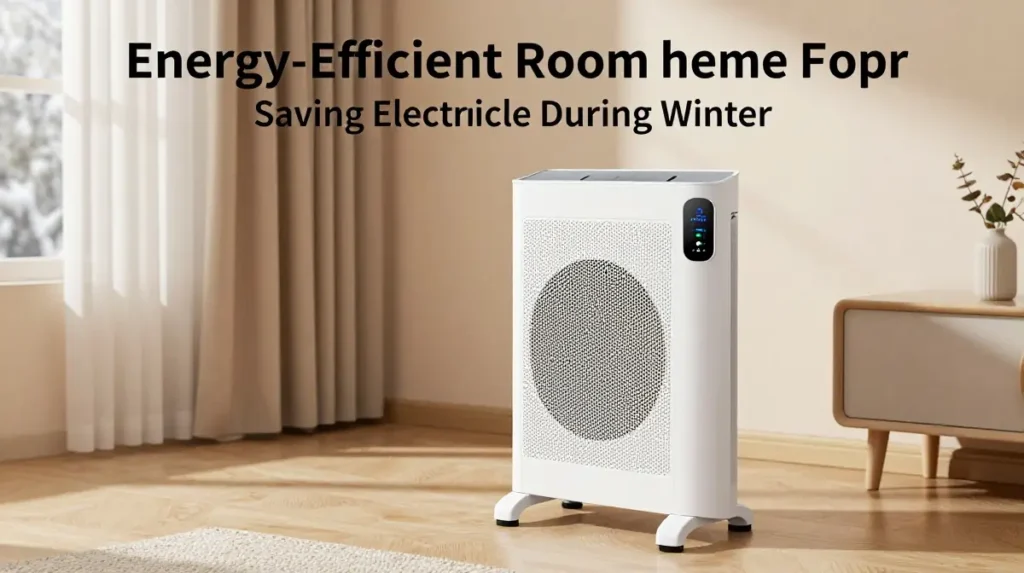
| Room size | Recommended heater |
| Small | Fan heater |
| Medium | Ceramic heater |
| Large | Oil filled radiator |
| Personal workspace | Infrared heater |
2. Heating speed Choose a fan, ceramic, or infrared model for instant heat. Grab an oil-filled radiator for steady, all-night warmth.
3. Electricity consumption Power draws vary heavily by wattage. You’ll usually see ratings of 800W, 1200W, 1500W, and 2000W.
A 2000W heater warms a room fast. It also spins your electric meter quickly. The Department of Energy points out that space heating eats up a lot of power. Look for units with adjustable power modes to control your daily usage.
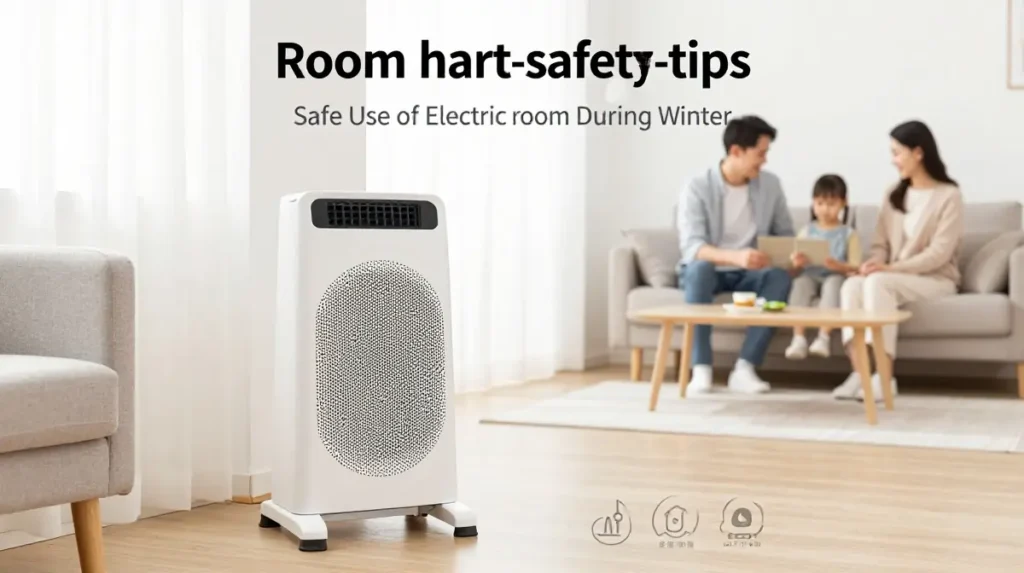
4. Safety features You can’t ignore safety. Get a heater with these specific details:
- Tip-over protection
- Overheat sensors
- Cool-touch plastic
- Automatic shut-off controls
- Child locks
- Real safety certifications
Groups like Consumer Reports test these units strictly for fire hazards. The National Fire Protection Association asks people to keep all heaters at least 3 feet away from anything that burns.
5. Portability You’ll probably drag this heater from the living room to your bedroom. Check the weight. Look for a strong carry handle or wheels. Make sure the cord actually reaches your wall outlet.
Important features worth paying for
A few premium add-ons are genuinely worth the extra cash.
Adjustable thermostat It maintains your exact target temperature automatically.
Multiple heat settings You can drop the power level when the room gets warm enough.
Timer function The unit shuts off after a few hours. This is great for sleeping or watching a movie.
Oscillation The heater swings side to side to push air across the whole room.
Remote control You never have to get out of bed to change the temperature.
Digital display You can read the exact temperature setting clearly.
Energy saving tips
Even the best room heater for winter season will spike your power bill. Treat your heater like other energy efficient home appliances.
Keep doors closed Stop the hot air from escaping down the hallway.
Use curtains Thick curtains block the cold glass of your windows.
Heat only occupied rooms Turn the heater off when you leave the room.
Set moderate temperatures Set the dial to 21 degrees. That’s warm enough for almost everyone.
Clean the heater Dust chokes the fans and coats the heating coils. Wipe the machine down weekly.
Use a timer Set the timer to kill the power right after you fall asleep.
Common mistakes when buying a room heater
People look at the price tag and grab the cheapest box when hunting for the best room heater for winter season. Avoid these specific errors.
Buying an oversized heater A massive 2000W heater in a tiny bathroom wastes a ton of electricity.
Ignoring safety certifications Never plug a cheap, uncertified heating coil into your wall.
Using extension cords improperly Extension cords melt under heavy loads. Plug the heater directly into the wall socket.
Blocking airflow Never throw a shirt or a damp towel over your heater. It’ll start a fire.
Leaving the heater unattended Turn the unit off when you leave the house. (Check the manual to see if your specific model is rated for 24-hour use).
Room heater maintenance tips
A little basic care keeps the machine running for years. Follow basic home appliance maintenance tips to stay safe.
Monthly checklist:
- Wipe off the dust
- Clear out the air vents
- Inspect the power cord for cracks
- Check the wall plug for burn marks
- Pack it inside a box when winter ends
Keep these appliances far away from water. Always read the manual before taking anything apart.
Pros and cons of electric room heaters
| Pros | Cons |
| Easy installation | Electricity costs |
| Portable | Limited heating area |
| Fast heating | Fan models get noisy |
| Safe modern features | You need a nearby wall plug |
| Low maintenance | Useless for heating an entire house |
Heaters also dry out the air and kick up dust. You might want the best air purifier for home running nearby.
Who should buy a room heater?
These appliances are great for:
- Families
- Students
- Elderly people
- Remote workers
- Apartment residents
- People living in cold climates
- Anyone who wants to heat a single room
Sometimes you just need a warm bed. Read our electric blanket buying guide if you want to heat yourself instead of the room.
Frequently asked questions
Which is the best room heater for winter season? Oil-filled radiators dominate for long quiet nights. Ceramic heaters handle daily use perfectly. Infrared heaters blast heat right onto your desk.
Is an electric room heater safe? Modern units are very safe. Just make sure you buy one with overheat sensors and tip-over switches.
Which room heater uses less electricity? Infrared models run efficiently because they blast heat directly into objects and people. Your actual bill depends on your room size, insulation, and daily usage habits.
Can I leave a room heater on overnight? Some oil-filled units are built specifically for overnight use. Check your manual. Keep the heater far away from your blankets and curtains.
What size heater do I need? Small rooms need less power. Look at the square footage rating on the box and match it to your bedroom dimensions.
Conclusion
You’ve got to think about room size, power draw, and safety features before buying the best room heater for winter season.
A small fan heater works fine for a quick blast of heat in a tiny room. An oil-filled radiator is much better for sleeping. An infrared model is perfect for warming up a cold garage workspace.
Review the thermostats, timers, and safety switches. Pick the heater that fits your exact room.