
Best Water Purifier for Home Use
- RO water purifiers
- UV purifiers
- UF systems
- Gravity purifiers
- Smart water filters
- Is RO necessary for all homes?
- What is TDS in water?
- Which purifier is best for borewell water?
- How much maintenance is required?
- Types of water purifiers
- Important buying factors
- Water purification technologies
- RO vs UV vs UF comparison
- Maintenance tips
- Common mistakes to avoid
- How to choose based on water quality
Water affects:
- Health
- Digestion
- Cooking
- Hydration
- Overall wellness
Dirt particles
Bacteria
Viruses
Chemicals
Heavy metals
Excess salts
RO vs UV vs UF: What Is a Water Purifier?
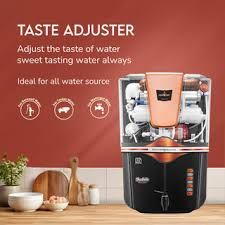
A water purifier is a home appliance designed to remove:
- Impurities
- Harmful contaminants
- Excess minerals
- Microorganisms
from water before drinking.
Different purification systems use different technologies depending on water quality.
Common water problems include:
- Hard water
- Bad odor
- Muddy water
- High TDS
- Chlorine taste
Water purifiers help improve both safety and taste.
RO Water Purifiers
RO stands for Reverse Osmosis.
RO purifiers use a special membrane to remove:
- Dissolved salts
- Heavy metals
- Excess minerals
RO systems are commonly recommended for:
- Borewell water
- High TDS water
- Hard water areas
- Bacteria
- Viruses
- Microorganisms
These systems work well for:
- Municipal water
- Low TDS water
UF Water Purifiers
UF means Ultrafiltration.
UF systems remove:
- Suspended particles
- Dirt
- Some microorganisms
without electricity in some cases.
They are suitable for:
- Basic filtration
Which Is Better?
Many buyers become confused when comparing purification technologies.
RO Purifier Advantages
- Removes dissolved impurities
- Suitable for hard water
- Better for high TDS
UV Purifier Advantages
- Effective against microorganisms
- Lower maintenance
- Faster purification
UF Purifier Advantages
- No electricity required
- Simple filtration
- Budget-friendly
Combined RO + UV + UF Systems
Modern purifiers often combine multiple technologies for improved purification.
These systems provide:
- Better filtration
- Improved safety
- Better taste
What Is TDS in Water?
Why TDS Matters
Very high TDS can affect:
- Water taste
- Appliance lifespan
- Drinking quality
RO systems are often recommended for high-TDS water.
How to Check Your Water Quality
Before buying a purifier, it is important to know:
- Water source
- TDS level
- Hardness level
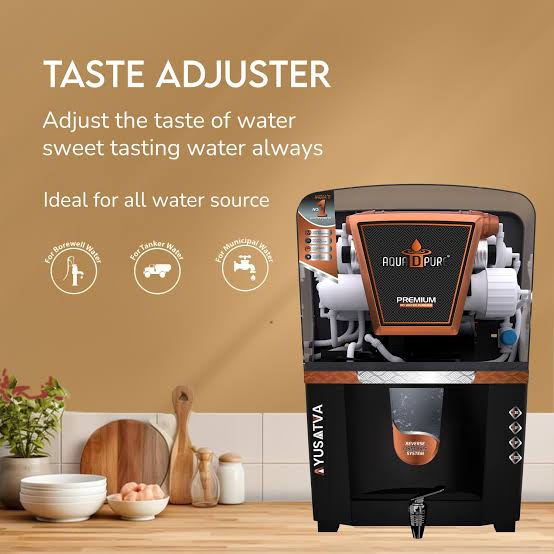
Common water sources include:
- Borewell water
- Municipal water
- Tanker water
Best Water Purifier for Home Use Based on Water Source
Borewell Water
Usually requires:
- RO purification
- TDS control
Municipal Water
UV or UV + UF may be sufficient if TDS is low.
Mixed Water Supply
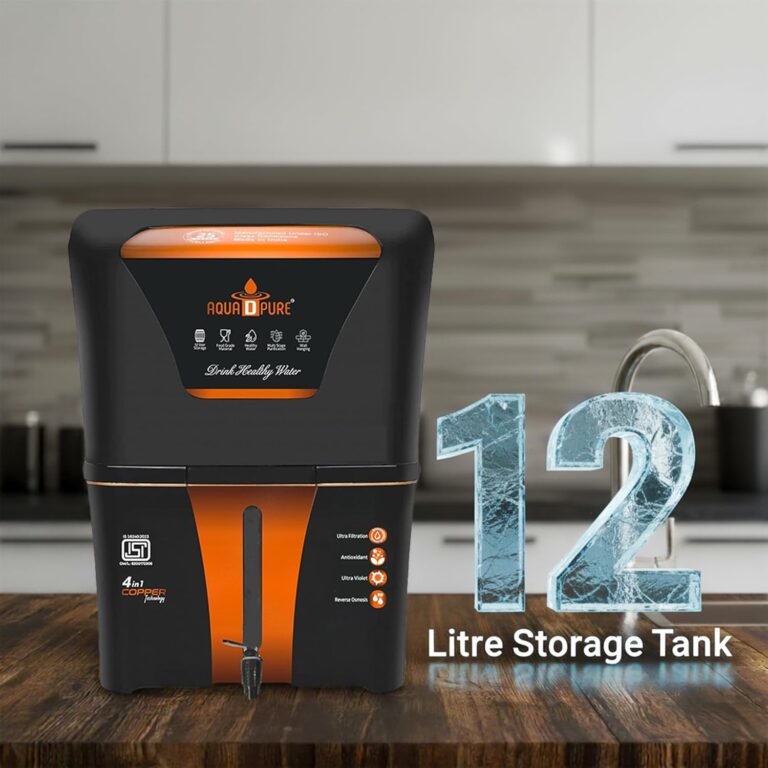
Storage Capacity
Storage needs depend on family size.
Recommended Capacity Guide
| Family Size | Suggested Capacity |
| 1–2 Members | 5–7 Liters |
| 3–5 Members | 7–10 Liters |
| Large Families | 10–15 Liters |
TDS Controller
This feature helps maintain balanced mineral levels.
Filter Change Indicator
Alerts users when filters require replacement.
Auto Shut-Off
Stops operation when the tank becomes full.
Smart Display Features
Some modern purifiers include:
- Water quality display
- Service reminders
- Filter life indicators
Good-quality tanks help:
- Reduce odor
- Maintain freshness
- Improve cleanliness
Benefits of Using a Water Purifier at Home
Clean water improves:
- Tea taste
- Coffee flavor
- Food preparation
Convenience
Buying Without Testing Water
Different water conditions require different purification methods.
Choosing Based Only on Price
Cheap purifiers may have:
- Weak filters
- Poor service support
- Short lifespan
Ignoring Filter Replacement Cost
Maintenance expenses matter long term.
Ignoring Local Service Availability
- Calcium
- Magnesiu
Best Placement Tips for Water Purifiers
Install Near Water Source
Improves installation convenience.
Keep Away From Heat
RO systems release wastewater during purification.
Replacement depends on:
- Water quality
- Daily usage
- Filter type
Approximate Replacement Schedule
| Filter Type | Replacement Time |
| Sediment Filter | 6–12 Months |
| Carbon Filter | 6–12 Months |
| RO Membrane | 1–2 Years |
Signs Your Water Purifier Needs Maintenance
Watch for:
- Slow water flow
- Bad smell
- Unusual taste
- Leakage
- Increased noise
Replace Filters on Time
Old filters reduce purification quality.
Clean Exterior Surfaces
Use a soft cloth regularly.
Schedule Professional Service
Avoid Ignoring Leakage
Efficient models help reduce:
- Electricity use
- Operational cost
Smart Water Purifier Features
Modern models may include:
- App control
- Smart diagnostics
- Digital monitoring
- Automatic alerts
Online vs Offline Buying
Both methods have advantages.
Benefits of Buying Online
- More product variety
- Better discounts
- Customer reviews
- Easy comparison
Benefits of Buying Offline
- Physical inspection
- Product demonstration
- Immediate purchase
Why Customer Reviews Matter
Customer reviews reveal:
- Real water taste
- Filter lifespan
- Service quality
- Long-term durability
Always read both positive and negative reviews.
Hidden Costs Buyers Should Check
Some buyers forget to consider:
- Installation charges
- Filter replacement cost
- Maintenance expenses
These affect long-term ownership cost.
Why Warranty Matters
Always check:
- Product warranty
- Filter warranty
- Service coverage
before purchase
The best purifier depends on your water source, TDS level, and family size. RO systems are commonly recommended for high-TDS water.
Is RO water purifier necessary for all homes?
No. RO purification is mainly useful for high-TDS or hard water. Municipal water may only require UV or UF purification.
How often should water purifier filters be replaced?
Most filters require replacement every 6–12 months depending on usage and water quality.
Is it safe to buy a water purifier online?
Yes, buying online is generally safe when purchasing from trusted sellers and checking customer reviews carefully.