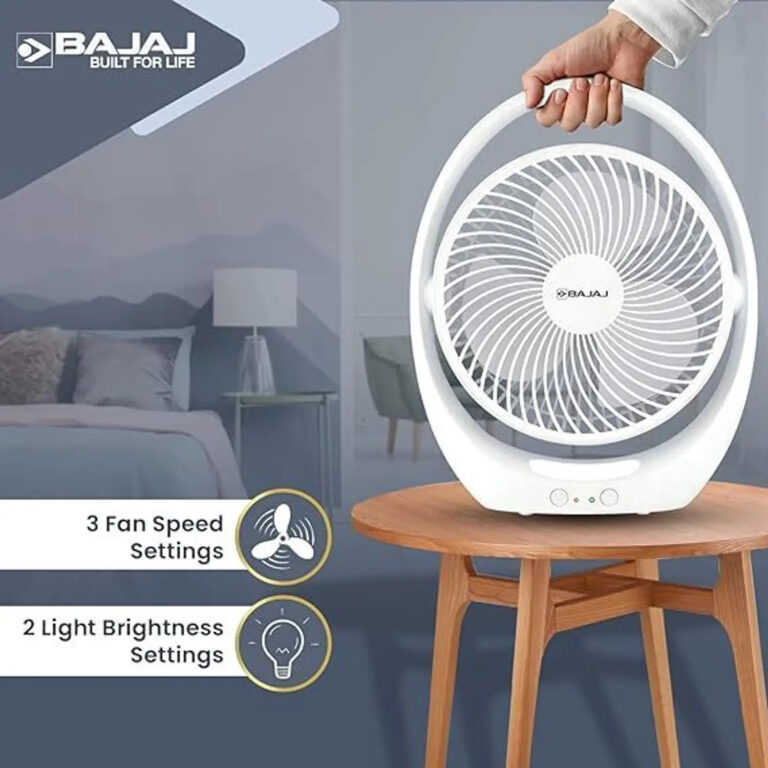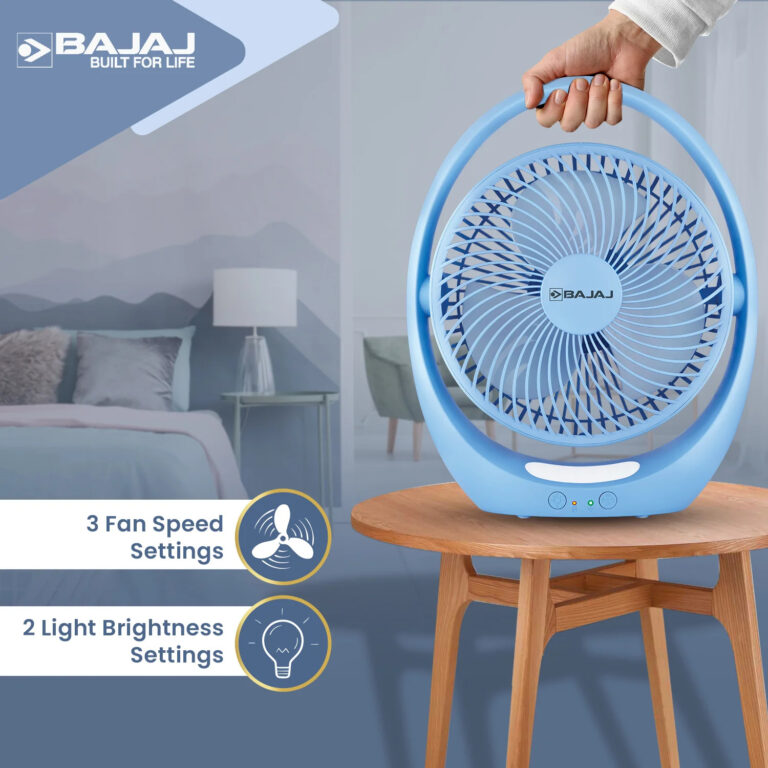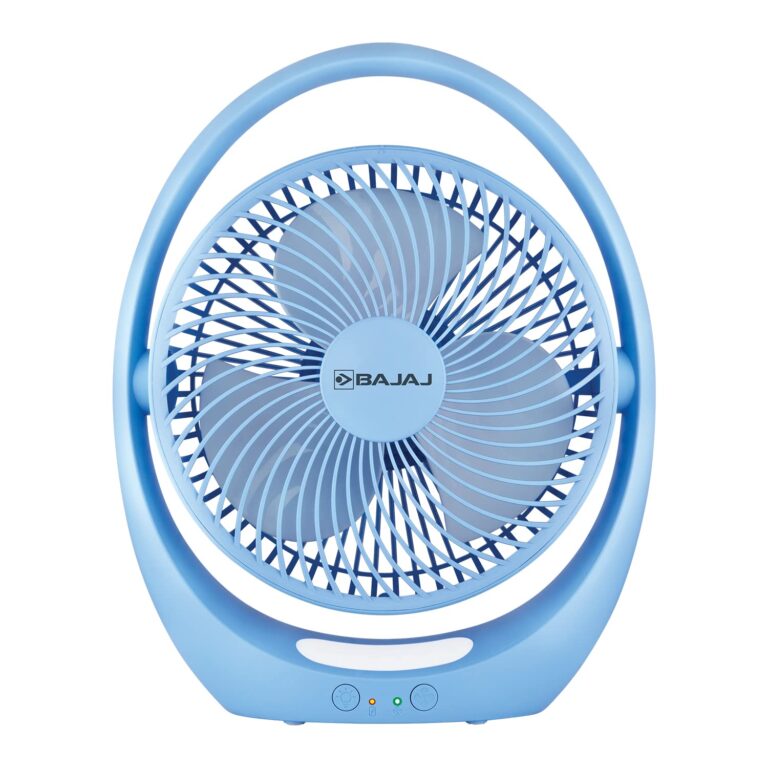

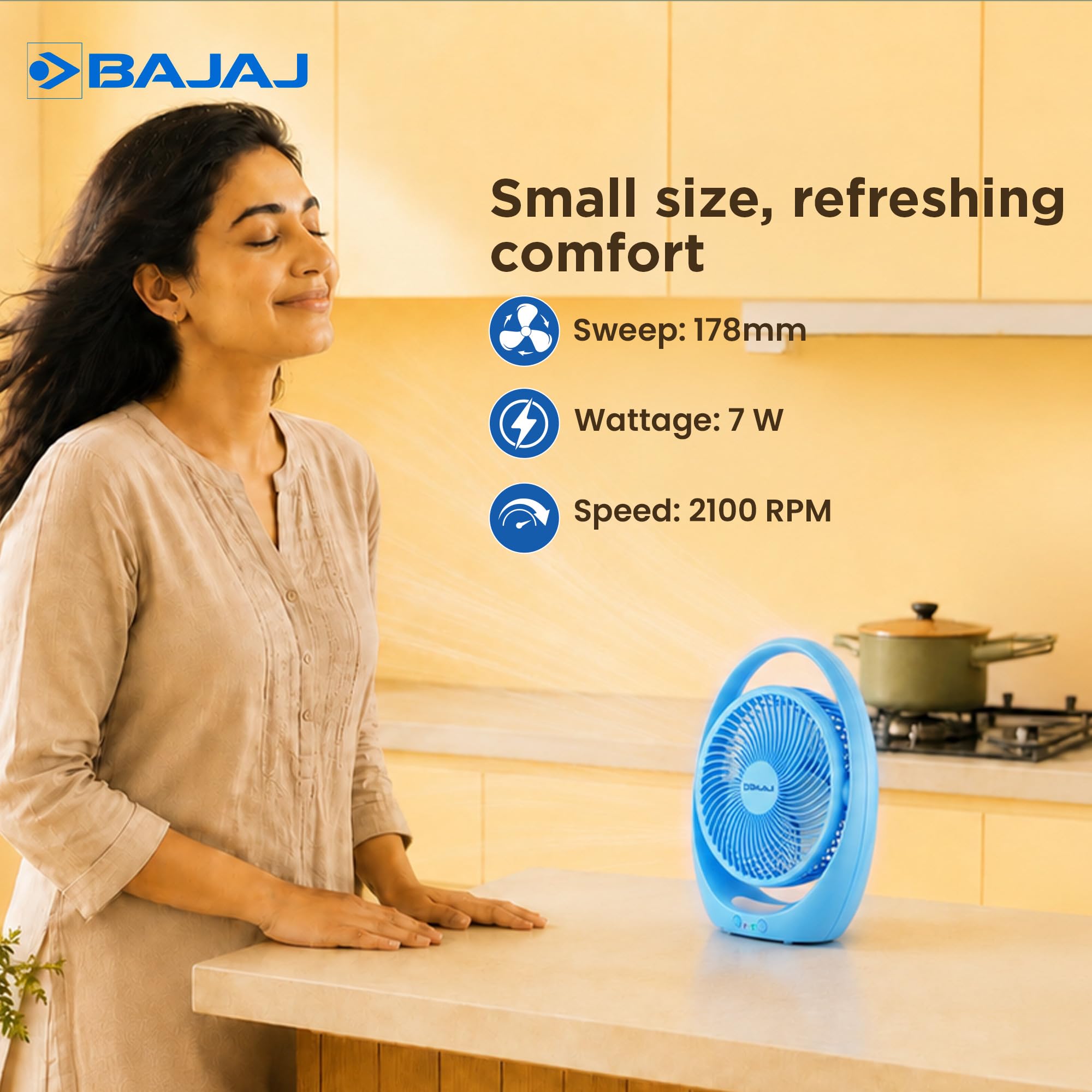
Best Table Fan for Quiet Operation
Introduction
Finding the best table fan for quiet operation can make a huge difference in your comfort, sleep quality, and productivity. Many people want effective cooling without the distracting noise that some fans produce. Wheth maintaining steady airflow.
Benefits of Quiet Operation
A quieter fan can help:
- Reduce sleep interruptions
- Create a relaxing atmosphere
- Improve overall comfort
- Reduce distractions
- Improve concentration
- Support productivity
Several factors influence noise levels.
Motor Technology
- Smoother operation
- Reduced vibration
- Longer lifespan
Fans with efficient motor designs usually produce less noise.
Blade Design
- Move air efficiently
- Reduce turbulence
- Lower operating noise
Aerodynamic blade designs are common in quieter models.
Build Quality
Loose components often create unwanted sounds.
A well-built fan provides:
Lower vibration levels
Stable operation
Reduced rattling
Fan Speed Control
Multiple speed settings help balance airflow and noise.
Lower speeds generally produce:
- Less sound
- Greater comfort during sleep
- Better energy efficiency
Best Table Fan for Quiet Operation: Features to Look For
When shopping for a quiet fan, consider these important features.
Adjustable Speed Settings
Look for fans with:
- Low speed
- Medium speed
- High speed
This allows users to select the ideal balance between cooling and silence.
- Wider coverage
- Consistent airflow
- Better comfort
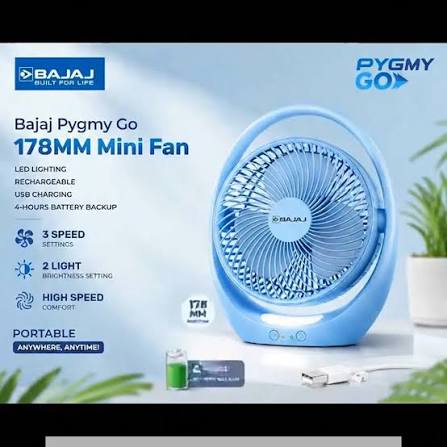
- Beds
- Desks
- Reading areas
Stable Base Design
A stable base minimizes vibration.
Reduced vibration means:
- Less noise
- Improved durability
- Greater safety
Where Can You Use a Quiet Table Fan?
One of the biggest advantages of table fans is versatility.
Bedroom
Bedrooms are among the most common locations.
A quiet fan helps:
- Maintain airflow
- Improve comfort
- Support restful sleep
Home Office
Remote workers benefit from silent operation.
Advantages include:
- Better focus
- Fewer distractions
- Improved work environment
:
- Sleep quality
- Mental focus
- Relaxation
- Productivity
Consider Room Size
Recommended:
Medium Rooms
Recommended:
- 300 mm fan
Larger Rooms
Recommended:
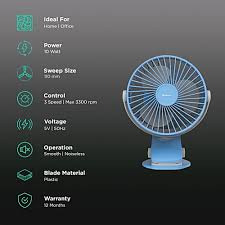
- 400 mm fan
Evaluate Airflow Performance
Check User Reviews
Reviews often reveal:
- Real-world noise levels
- Reliability
- Long-term performance
- Warranty period
- Service availability
- Customer support
Many buyers compare these options.
Table Fan Advantages
- Portable
- Directional airflow
- Easy placement
- Lower installation cost
- Covers larger spaces
- Permanent installation
Table Fan
Advantages:
- Compact size
- Desk-friendly
- Easy portability
Pedestal Fan
Advantages:
- Greater height
- Wider coverage
- Generate less heat
- Operate smoothly
- Consume less electricity
Most table fans use between:
Common Mistakes When Buying a Quiet Table Fan
Focusing Only on Airflow
Ignoring Build Quality
Poor construction can create:
- Rattling sounds
- Vibrations
- Reduced lifespan
Buying the Cheapest Option
Very low-cost fans may compromise:
- Motor quality
- Noise control
- Durability
Inspect periodically.
Check the Fan Base
Inspect the Motor Area
- Rattling sounds
- Clicking noises
- Reduced airflow
- Motor overheating
- Curtains
- Furniture
- Boxes
Position Near Ventilation Sources
Open windows can improve airflow efficiency.
What is considered a quiet table fan?
A quiet table fan typically operates at lower noise levels while still providing effective airflow for personal or room cooling.
Are quiet table fans less powerful?
Not necessarily. Many modern fans provide strong airflow while maintaining low noise levels through improved motor and blade design.
Can a quiet table fan help with sleep?
Yes. Many people prefer low-noise fans because they create comfortable airflow without disturbing sleep.
How can I make my table fan quieter?
Regular cleaning, tightening loose parts and placing the fan on a stable surface can help reduce noise.