
How Does a Table Fan Work
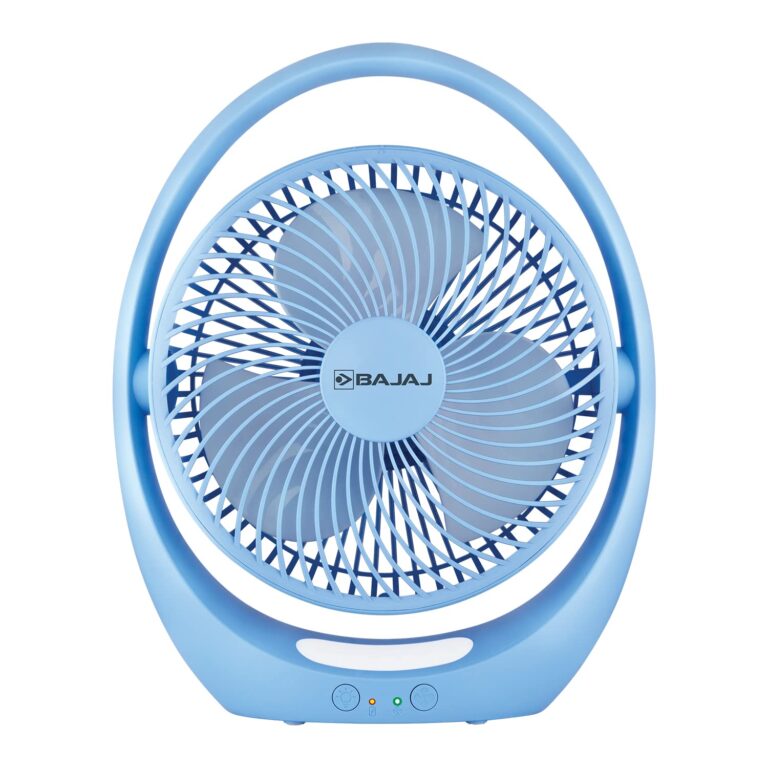
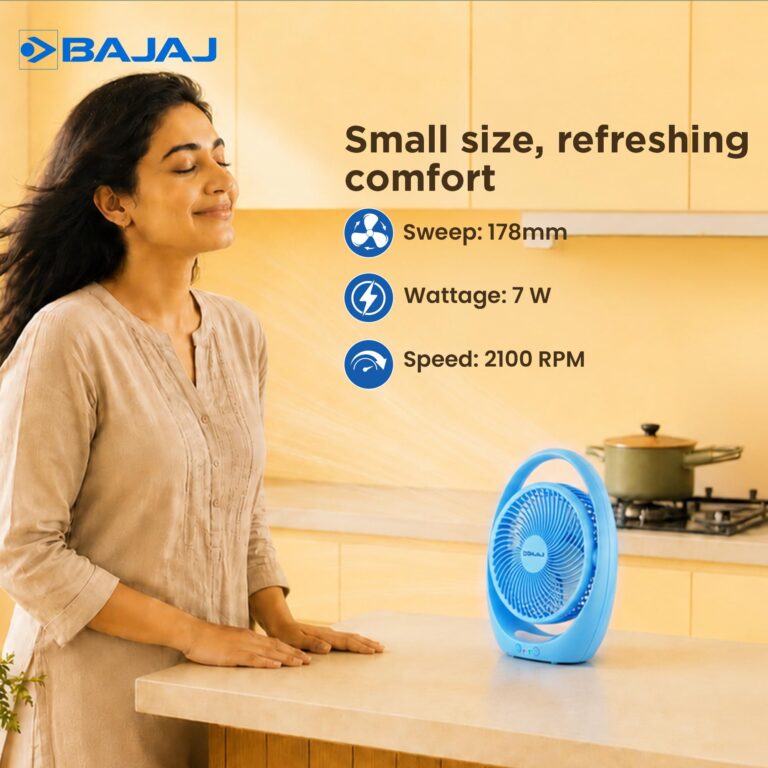
A table fan is a portable electric fan designed to sit on a flat surface such as:
- A desk
- A bedside table
- A shelf
- A countertop
- A study table
- Electricity flows into the motor.
- The motor rotates the shaft.
- The shaft spins the blades.
- The blades move air forward.
This movement of air creates the cooling effect we feel.
Fan Blades
The blades are responsible for moving air.
Most table fans contain:
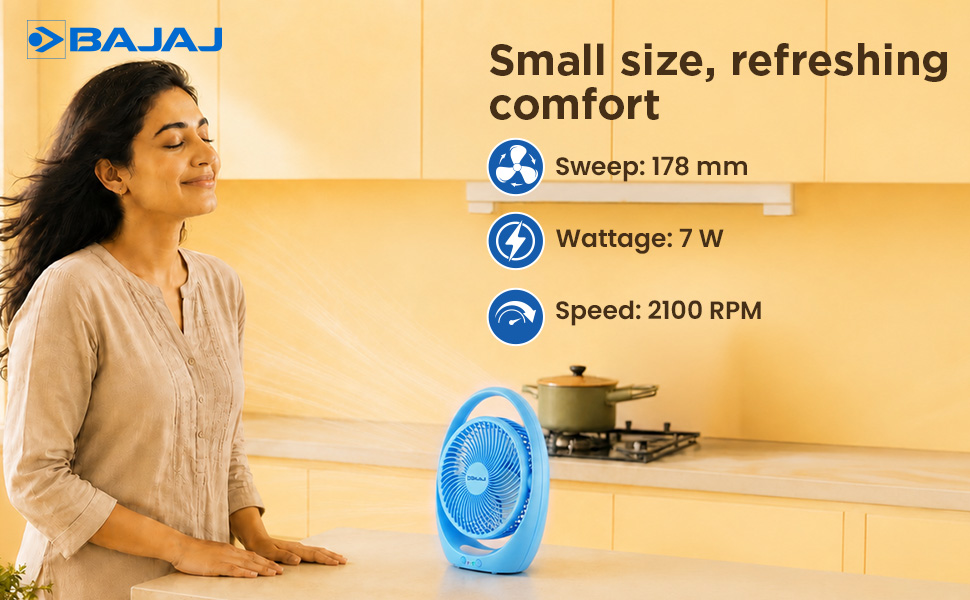
- Three blades
- Four blades
- Five blades
The shape and angle of the blades determine:
- Airflow strength
- Noise level
- Energy efficiency
Electric Motor
Copper-wound motors
Fan Guard or Protective Grill
The protective grill covers the rotating blades.
Its purpose is to:
- Prevent accidental contact
- Improve safety
Many table fans include an oscillation feature.
Oscillation allows the fan to rotate from side to side.
- Wider airflow coverage
- Better air distribution
- Increased comfort
Speed Control Switch
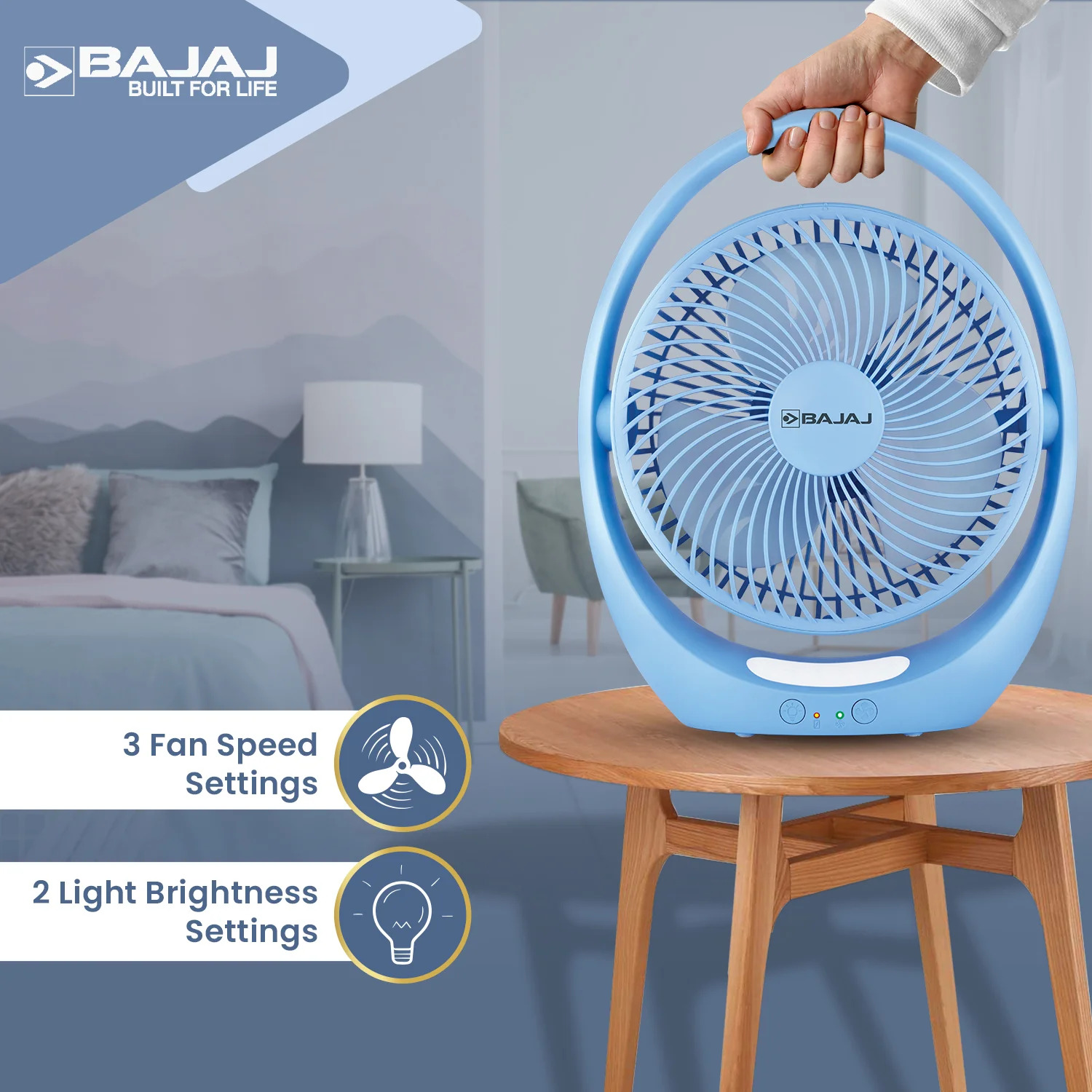
The speed control allows users to select different airflow levels.
Common settings include:
- Low
- Medium
- High
Some premium models offer additional speed settings.
The Science Behind Airflow
Many people assume fans actually lower room temperature.
No.
How Does the Motor Create Rotation?
The motor operates using electromagnetism.
- A magnetic field is created.
- The magnetic field generates force.
- The force causes the motor rotor to spin.
Many users enjoy oscillation because it distributes air more evenly.
Inside the fan housing is a gear system.
The motor powers:
- The blades
- The oscillation gears
These gears convert circular motion into side-to-side movement.
Air reaches a larger area
The fan turns left
The fan turns right
Why Blade Design Matters
Not all blades perform the same way.
Blade design influences:
- Airflow
- Noise
- Efficiency
Blade Pitch
A steeper angle generally:
- Moves more air
- Requires more motor power
A balanced blade angle improves efficiency.
Number of Blades
More blades may provide:
- Smoother airflow
- Reduced noise
Fewer blades may:
- Increase airflow speed
- Improve energy efficiency
Manufacturers balance these factors carefully.
he electricity then:
- Activates the motor coils.
- Creates magnetic fields.
- Rotates the.
- Spins the blades.
This entire process happens continuously while the fan is operating.
AC Motor vs DC Motor Fans
Modern table fans typically use one of two motor types.
AC Motors
Advantages:
- Affordable
- Reliable
- Widely available
Disadvantages:
- Slightly higher power consumption
DC Motors
Advantages:
- Energy-efficient
- Quiet operation
- Better speed control
Disadvantages:
- Higher initial cost
Many premium fans now use brushless DC motors.
Why Table Fans Are
One reason table fans remain popular is low energy consumption.
Most table fans consume:
- 35W to 70W
Compared with air conditioners, this is very economical.
- Lower electricity bills
- Reduced energy use
- Environmentally friendly operation
Common Features in Modern Table Fans
Today’s table fans offer several advanced features.
Multiple Speed Modes
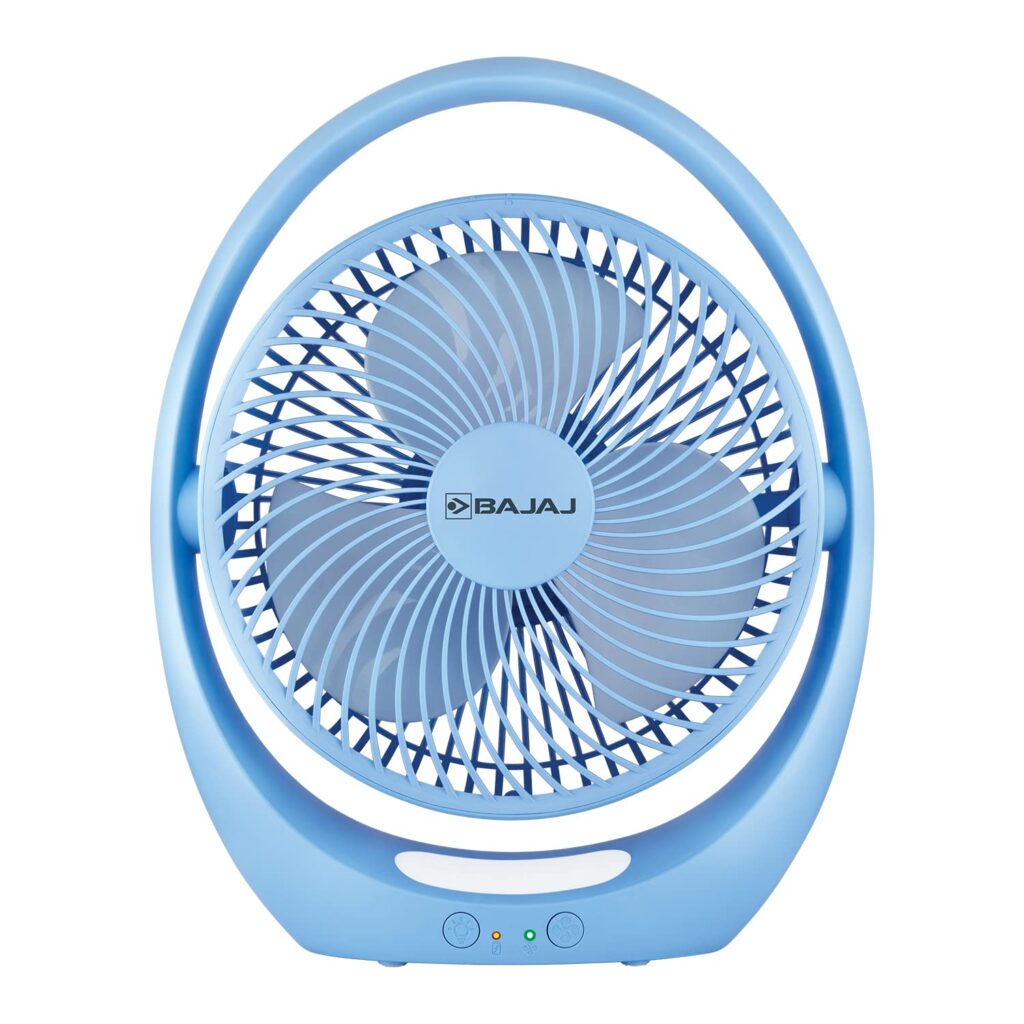
Allows customized airflow.
Timer Function
Automatically switches the fan off after a set period.
Remote Control
Provides convenient operation.
Rechargeable Battery
Useful during power outages.
USB Power Support
Popular for personal and portable fans.
Common Problems and How They Affect Performance
Dust Accumulation
Dust can:
- Reduce airflow
- Increase motor strain
- Cause noise
Loose Components
Loose screws may create:
- Vibrations
- Rattling sounds
Worn Bearings
Worn bearings may lead to:
- Reduced efficiency
- Increased noise
Regular maintenance prevents many issues.
Remove dust regularly.
- Better airflow
- Lower noise
- Improved efficiency
Check Screws
Tighten loose components periodically.
Inspect the Power Cord
Replace damaged cords immediately.
Store Properly
When not in use:
Store in a dry location
Keep the fan covered
Advantages of Table Fans
Table fans offer several benefits.
Portable
Easy to move anywhere.
Affordable
Budget-friendly cooling solution.
Energy Efficient
Consumes less electricity.
Easy to Maintain
Requires minimal upkeep.
Flexible Airflow
Direct air where needed.
Table Fan vs Ceiling Fan
Table Fan
Advantages:
- Portable
- Targeted airflow
- Lower installation costs
Ceiling Fan
Advantages:
Permanent installation
Wider room coverage
How does a table fan create airflow?
A table fan rotates specially designed blades that push air forward, creating continuous airflow throughout the room.
Does a table fan actually cool the room?
No. A table fan creates a cooling sensation by increasing airflow and helping sweat evaporate more quickly.
Why do table fans oscillate?
Oscillation helps distribute air across a wider area, improving comfort and air circulation.
How much electricity does a table fan use?
Most table fans consume between 35 and 70 watts, making them highly energy-efficient.