
How Does a Water Purifier Work
- Hard water
- High TDS levels
- Chlorine taste
- Sediments
- Bacteria contamination
- Heavy metals
- How does RO purification work?
- What is UV purification?
- Is filtered water really safer?
- Which purification technology is best?
This detailed tutorial covers:
- Basic water purification principles
- Types of purification technologies
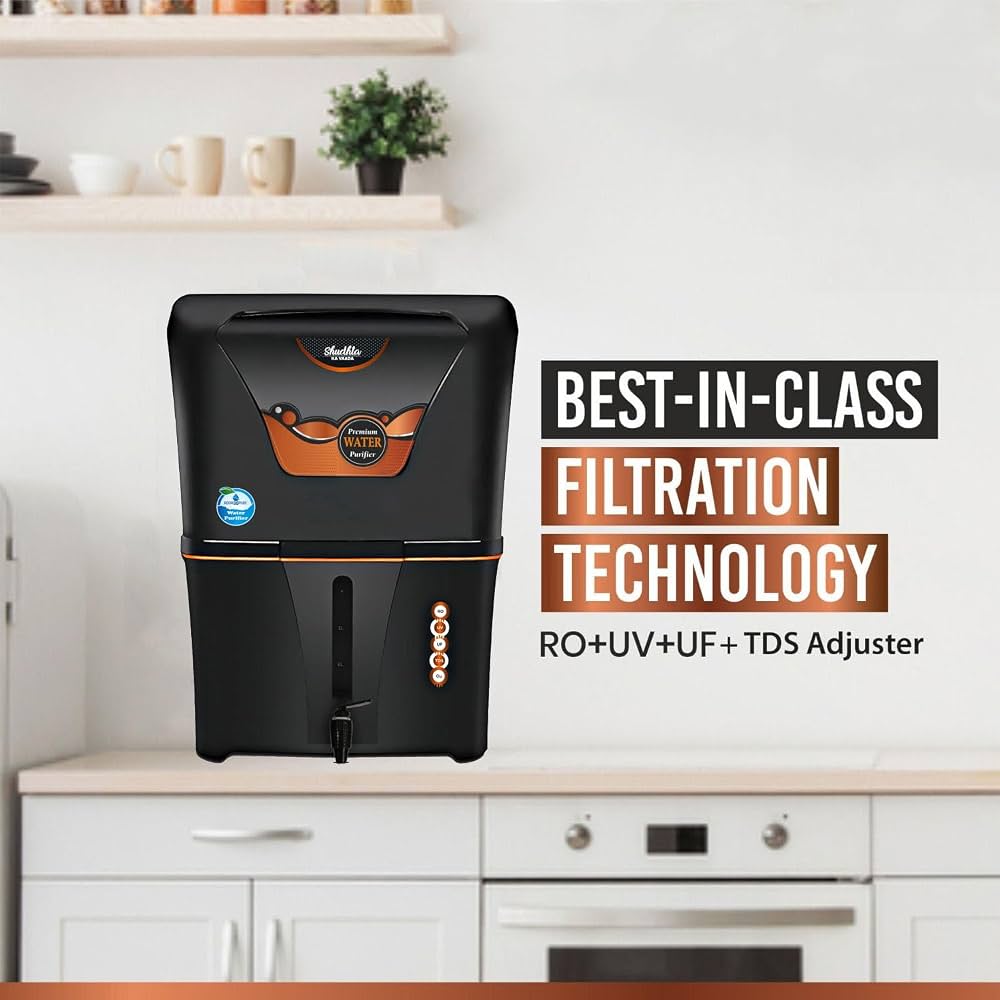
- RO, UV, and UF systems
- Filter stages explained
- Importance of TDS
- Water purifier maintenance
- Common myths and mistakes
- Drinking
- Cooking
- Digestion
- Hygiene
- Daily health
However, untreated water may contain:
Excess salts
Dirt
Bacteria
Viruses
Heavy metals
Chemicals
What Is a Water Purifier?
- Harmful contaminants
- Suspended particles
- Excess minerals
- Microorganisms
Different water purifiers use different technologies depending on:
- Water source
- TDS level
- Contamination type
What Does It Remove?
This filter removes:
- Sand
- Dirt
- Dust
- Mud particles
Without sediment filtration:
- Larger particles may damage membranes
- Water flow may reduce
- Filter lifespan may decrease
Carbon filters help remove:
- Chlorine
- Bad odor
- Chemical taste
- Organic compounds
Step 3: RO Purification Process
This membrane blocks:
- Dissolved salts
- Heavy metals
- Harmful contaminants
while allowing purified water to pass through.
What Does RO Remove?
RO purification helps remove:
- Excess TDS
- Lead
- Arsenic
- Fluoride
- Dissolved impurities
- Calcium
- Magnesium
RO systems help reduce excessive dissolved minerals.
Step 4: UV Purification
Some purifiers include UV technology.
- Bacteria
- Viruses
- Microorganisms
This process helps improve biological safety.
Advantages of UV Purification
UV systems:
- Work quickly
- Do not use chemicals
- Fine suspended particles
- Some bacteria
- Dirt impurities
Difference Between RO and UF
RO Removes
- Dissolved salts
- Heavy metals
- High TDS
UF Removes
- Larger particles
- Some microorganisms
without removing dissolved minerals completely.
Step 6: Final Mineral or Taste Enhancement Stage
Some modern purifiers add a final stage to:
- Improve taste
- Balance minerals
- Freshen water quality
What Is TDS in Water?
Why TDS Matters
Very high TDS may affect:
- Taste
- Water quality
- Appliance lifespan
RO systems are commonly recommended for high-TDS water.
Types of Water Purifiers Available
Different homes require different purification systems.
RO Water Purifiers
Best for:
- Borewell water
- Hard water
- High TDS
UV Water Purifiers
Best for:
- Municipal water
- Low TDS
- Biological contamination
UF Water Purifiers
Best for:
- Basic filtration
- Low contamination areas
Gravity-Based Purifiers
These systems:
- Work without electricity
- Use basic filtration
Purification removes:
- Chlorine
- Chemicals
- Odor-causing substances
This usually improves taste and smell.
Why Water Purifier Filters Need Replacement
Filters gradually collect impurities over time.
Old filters may:
- Reduce purification quality
- Slow water flow
- Develop odor
Common Filter Replacement Schedule
| Filter Type | Approximate Lifespan |
| Sediment Filter | 6–12 Months |
| Carbon Filter | 6–12 Months |
| RO Membrane | 1–2 Years |
Replace Filters on Time
Old filters reduce efficiency.
Schedule Professional Servicing
Why Water Source Matters
Different water sources contain different impurities.
Borewell Water
Often contains:
- High TDS
- Hardness
- Dissolved minerals
Municipal Water
Usually contains:
- Chlorine
- Lower TDS
- Biological contaminants
Tanker Water
Quality may vary significantly.
Common Mistakes Buyers Make
Buying Without Testing Water
Water quality should guide purifier selection.
Choosing Based Only on Price
Low-cost purifiers may have:
- Weak filters
- Poor durability
- Limited purification capability
Ignoring Maintenance Costs
Filter replacement costs matter long term.
How Water Purifiers Help Families
A good purifier helps:
Support healthier living
Improve drinking water safety
Reduce contaminants
Improve taste
Smart Features in Modern Water Purifiers
Modern purifiers may include:
- App monitoring
- Smart diagnostics
- Filter life indicators
- TDS display
Why Storage Capacity Matters
Storage requirements depend on family size.
Recommended Storage Guide
| Family Size | Suggested Storage |
| 1–2 Members | 5–7 Liters |
| 3–5 Members | 7–10 Liters |
Most modern purifiers use moderate electricity.
Gravity-based systems may not require electricity at all.
Signs Your Water Purifier Needs Service
Watch for:
- Bad taste
- Slow water flow
- Leakage
- Strange smell
- Increased noise
Best Placement Tips for Water Purifiers
Install Near Water Source
Simplifies installation.
RO systems release wastewater.
Keep Away From Direct Heat
Protects filters and plastic parts.
Online vs Offline Buying
Both options have benefits.
Benefits of Buying Online
- Better product comparison
- Customer reviews
- More model choices
- Better discounts
Benefits of Buying Offline
- Physical inspection
- Product demonstration
- Immediate purchase
Why Customer Reviews Matter
Reviews reveal:
Maintenance experience
Real purification quality
Service support
How does a water purifier work at home?
A water purifier works by passing water through multiple filtration stages that remove dirt, chemicals, dissolved impurities, and microorganisms.
What is the purpose of RO in a water purifier?
RO removes dissolved salts, heavy metals, and excess TDS from water using a semi-permeable membrane.
Is UV purification enough for home use?
UV purification works well for low-TDS municipal water but may not remove dissolved salts or heavy metals.
How often should water purifier filters be replaced?
Most filters require replacement every 6–12 months depending on water quality and usage.