

Introduction
If you are searching for an affordable table fan for small rooms you are not alone. Many homeowners students renters and office workers want a cooling solution that is budget friendly energy efficient and easy to use.
Small rooms can become uncomfortable during warm weather especially when ventilation is limited. A good table fan helps improve airflow reduce stuffiness and create a more pleasant environment without increasing electricity bills significantly.
I will explain what makes a good table fan how to choose one for a compact space and what features are worth paying for. Whether we need a fan for a bedroom study room dorm room or home office this article will help us make an informed decision.
Table Fan for Small Rooms?
Table fans remain one of the most practical cooling appliances available today.

- Affordable
- Portable
- Easy to maintain
- Energy-efficient
- Suitable for compact spaces
Benefits of Using a Table Fan
Easy Portability
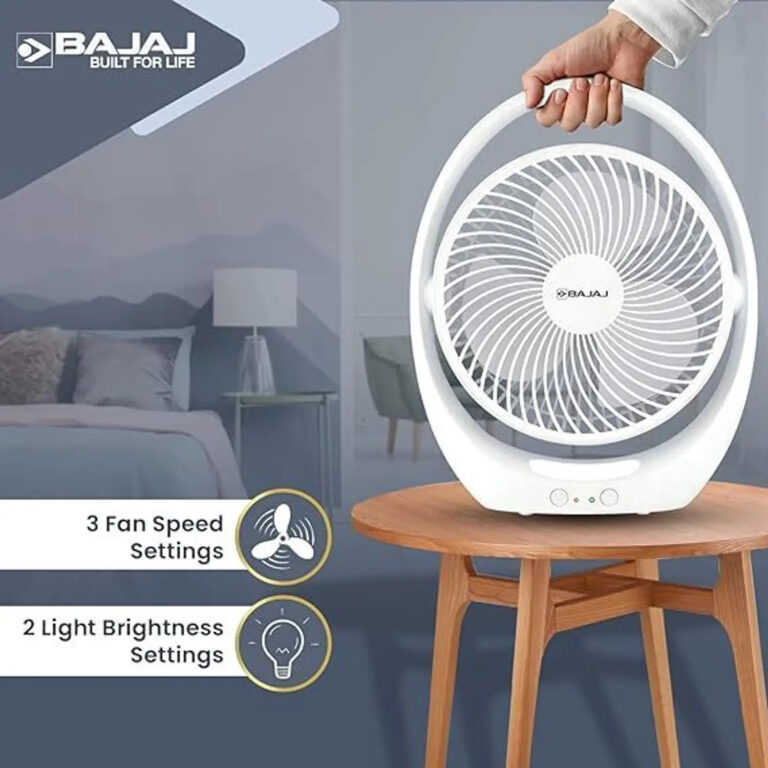
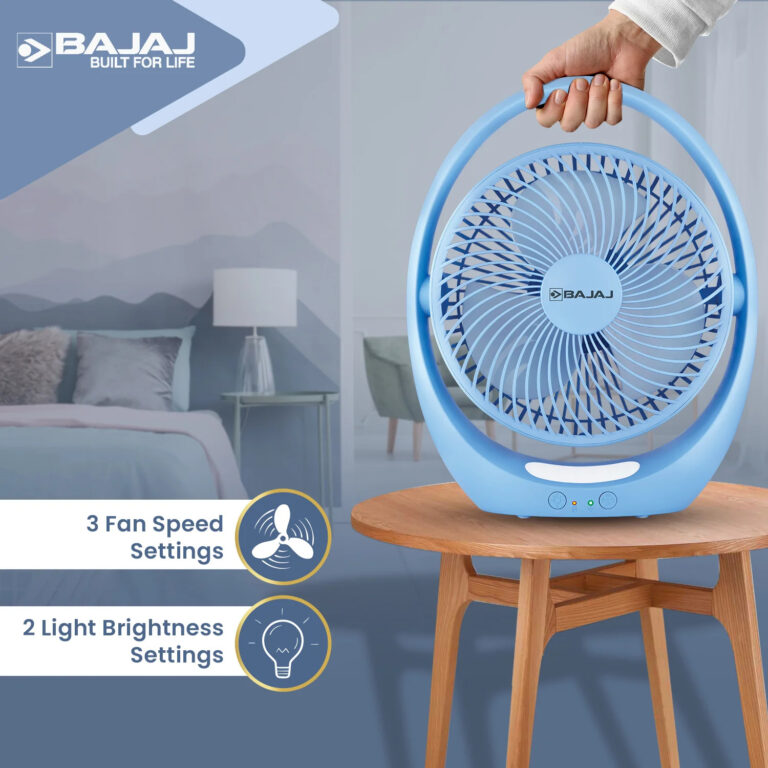
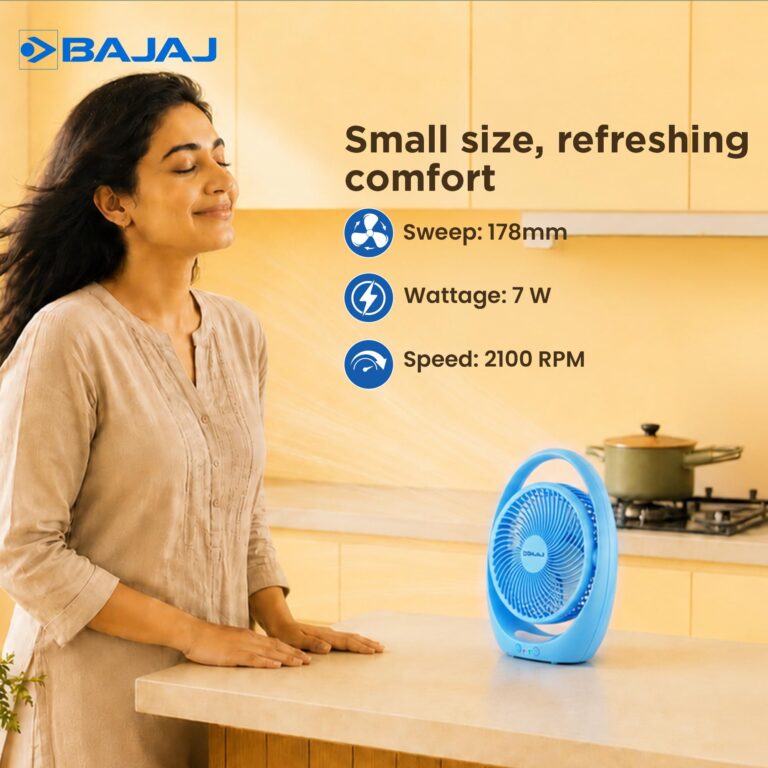
One of the biggest advantages is portability. I move the fan from my bedroom to my study room or even the kitchen whenever needed.
Low Energy Consumption
Most table fans consume far less electricity than air conditioners.
- Lower electricity bills
- Reduced energy usage
- Eco friendly cooling
Targeted Airflow
Unlike ceiling fans that distribute air across an entire room table fans can direct airflow exactly where it is needed.
What Makes an Affordable Table Fan for Small Rooms Worth Buying?
A low price alone does not guarantee good value.
The best affordable table fan combines cost effectiveness with reliable performance.
Air Delivery Performance
Air delivery measures how much air a fan circulates.
- Better coolin
- Faster air circulation
- Improved comfort
Always compare airflow specifications before purchasing.
Fan Size
- 200 mm
- 250 mm
- 300 mm
- 400 mm
Motor Quality
The motor determines performance and durability.
Lower maintenance
Consistent airflow
Longer lifespan
Affordable Table Fan for Small Rooms: Features to Look For
Multiple Speed Settings
Speed controls allow flexibility.
- Low speed
- Medium speed
- High speed
This makes it easier to adjust cooling based on weather conditions.
Oscillation Function
Oscillation helps distribute air across a wider area.
- Better room coverage
- Improved ventilation
- Greater comfort
Adjustable Tilt
Tilt adjustment lets users direct airflow precisely where needed.
This feature is especially useful while:
- Sleeping
- Studying
- Working from home
Quiet Operation
Create a peaceful environment
Improve sleep quality
Reduce distractions
Best Places to Use a Table Fan
Bedroom
- Quiet airflow
- Adjustable speeds
- Oscillation features
A table fan can improve sleep comfort during warm nights.
Home Office
When working remotely proper airflow can improve concentration and comfort.
- Desks
- Side tables
- Shelves
Study Room
Students often prefer table fans because they provide direct cooling without occupying much space.
Dorm Rooms
Dorm rooms usually have limited space making portable fans an excellent choice.
How to Choose the Right Size Fan for a Small Room
Choosing the correct size is essential.
Rooms Under 80 Square Feet
- 200 mm to 250 mm
Rooms Between 80 and 150 Square Feet
- 300 mm
Rooms Between 150 and 200 Square Feet
- 400 mm
Energy Efficiency and Cost Savings
How much electricity does a table fan use?
Most table fans consume between 35 and 70 watts.
Compared with air conditioners, this is extremely economical.
How Can We Save More Energy?
Position the fan strategically.
Turn off the fan when leaving the room.
Clean blades regularly.
Use natural ventilation when possible.
Table Fan vs Air Cooler
Many people compare these two options.
Table Fan Advantages
- Lower price
- Lower maintenance
- Easy portability
- Lower electricity consumption
Air Cooler Advantages
- Stronger cooling effect
- Better performance in dry climates
For small rooms and limited budgets, table fans are often the more practical solution.
Common Mistakes to Avoid
Buying the Cheapest Model Available
- Produce excessive noise
- Wear out quickly
- Deliver poor airflow
Ignoring Noise Levels

This is particularly important for bedrooms.
Forgetting About Warranty
- Warranty period
- Service availability
- Customer support
Choosing the Wrong Size
A fan that is too small may struggle to cool the room effectively.
Maintenance Tips for Long-Term Performance
Proper maintenance improves efficiency and extends lifespan.
Clean the Blades Regularly
Dust accumulation reduces airflow.
Cleaning every few weeks can improve performance.
Inspect the Power Cord
- Fraying
- Damage
- Loose connections
Tighten Loose Components
Loose screws can cause vibrations and noise.
Store Carefully
When not in use:
Cover it to prevent dust buildup
Keep the fan dry
Signs It Is Time to Replace Your Table Fan
Repairs cost more than replacement
Airflow becomes weak
Motor overheats frequently
Fan becomes excessively noisy
Oscillation no longer works
How to Position a Table Fan for Maximum Cooling
Placement can significantly improve effectiveness.
Near a Window
Positioning near an open window helps circulate fresh air.
Across the Room
Direct airflow toward occupied areas.
Elevated Placement
A slightly elevated position often improves air distribution.
Why Small Rooms Benefit Most from Table Fans
Small spaces require less airflow than large rooms.
- Faster cooling sensation
- Better airflow concentration
- Lower energy usage
- Improved comfort
For many households a table fan is the simplest and most affordable cooling solution.
What is the ideal table fan size for a small room?
Most small rooms work well with a 250 mm to 400 mm table fan depending on room dimensions.
Does a table fan consume a lot of electricity?
Most models use between 35 and 70 watts making them energy efficient.
Is a table fan better than a ceiling fan for small rooms?
A table fan offers targeted airflow and portability while a ceiling fan provides broader room coverage.
How often should I clean my table fan?
Cleaning every two to four weeks helps maintain strong airflow and efficient operation.